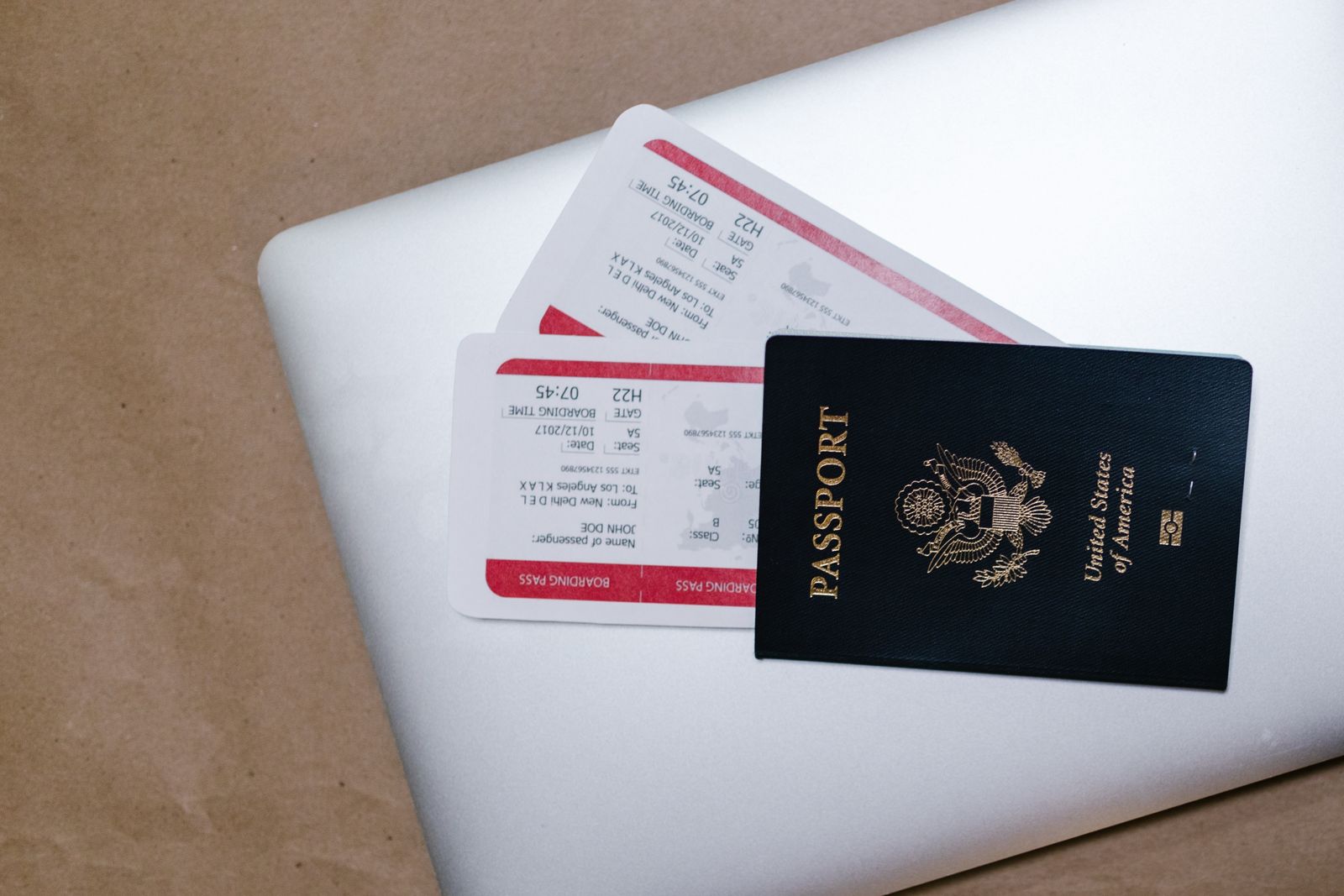
Reviewing a trip using its actual costs
A trip cost review should explain more than the final total. It shows which assumptions fitted the journey and which expenses deserve attention earlier next time.

Choose a consistent basis
First decide what you are reviewing: the whole trip, your own costs or shared spending. Keep those levels separate. A dinner paid by one person for four travellers is initially that person's payment, but it is not necessarily their eventual personal share of the expense.
Collect booking invoices, receipts and settled payments. Keep expected refunds separate until they arrive. With foreign currencies, the card statement may differ from the original displayed price. For your actual outlay, use the traceable charged amount and flag anything that has not yet settled.
Avoid duplicate entries. A hotel confirmation and the later card charge may describe the same purchase. Connect them to one expense. A cash withdrawal is not an additional purchase if you subsequently record the meals and tickets paid for with that cash. Choose a consistent method so money moving between your accounts does not inflate the trip total.
Explain the differences
Use a few categories such as travel to the destination, accommodation, food, local transport and activities. Too many tiny categories make comparison harder. Keep one-off purchases, such as a new suitcase, identifiable if you later want to compare the recurring costs of two short breaks.
For an entirely illustrative example, suppose local transport was budgeted at 40 euros and the actual amount was 62 euros. The difference is 22 euros. The useful next question is whether an unplanned transfer, a different ticket or more frequent journeys caused it. The number alone does not tell you whether the original plan omitted something or your preferences changed during the visit.
Explain a larger difference in one sentence. An exhibition you chose to add is different from an unavoidable extra transfer. Both belong in the actual total, but they suggest different changes to the next budget. Avoid creating retrospective categories solely to make an overspend look smaller.
Improve the next estimate
Compare similar trips: the same number of travellers, approximately the same duration and a comparable type of accommodation. A more expensive weekend may have cost less per night if it included an extra night. Equally, a lower total may reflect a shorter trip rather than cheaper individual services.
Change only the assumptions for which you have a concrete observation. Perhaps staying outside the centre requires more money for local journeys, or a holiday apartment involves extra grocery purchases. Keep the original estimate beside the actual total. On the next trip, you can then see whether the planning became more accurate instead of merely collecting another final number.