Preparing station travel with reduced mobility
A suitable rail journey with reduced mobility needs specific information about the train, station and support required. A general label does not answer every question.
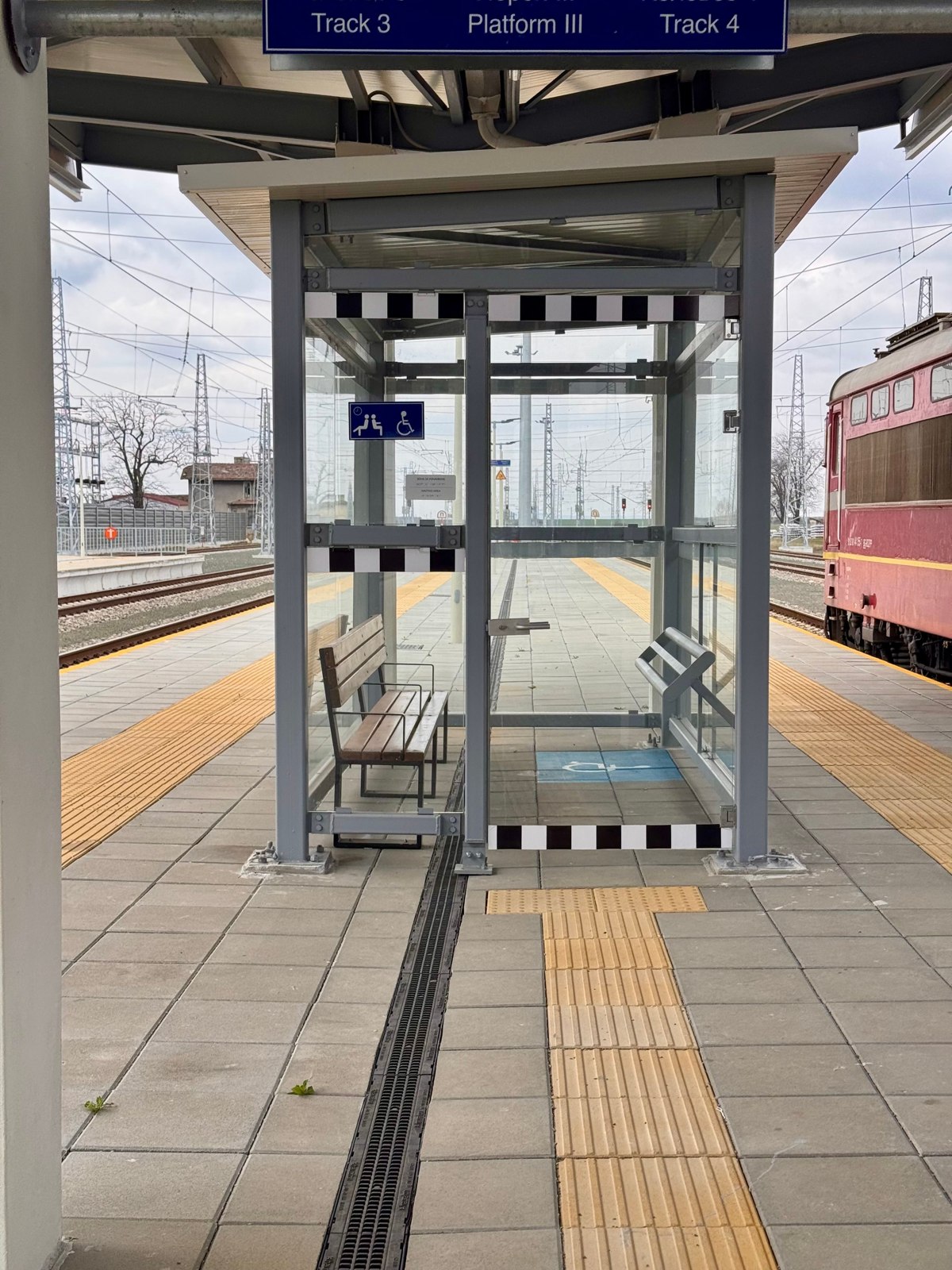
Describe the actual requirement
Record the support needed: step-free access, boarding assistance, a suitable space, a companion or particular requirements for a mobility aid. Dimensions and, where relevant, weight of the aid and the precise connection are more useful in an enquiry than a general request for accessibility.
Check how the operator arranges support for this journey. DB provides information about its mobility service and recommends advance notification for particular situations. Read the current process and notice periods for your case.
Save confirmed assistance with date, train and station. If the journey changes, review that arrangement too. Changing a ticket does not automatically transfer every practical agreement to a different service.
Check the whole station route
Boarding is only part of the trip. Include entrance to platform, any change and the exit at the destination. Lifts may be at a different end of the platform from the shortest stairway, changing the transfer time you need.
Find current information on lifts and access. If a facility is unavailable, ask for an alternative you can actually use. A connection involving stairs is not a replacement for every traveller.
Where several companies are involved, establish who arranges each section. Keep contacts and confirmations together. An enquiry with the first operator does not necessarily cover assistance at the final exit.
Plan margins and companionship realistically
Choose time margins around actual routes and agreed arrangements. Include food, toilet needs and rest so a longer wait does not create extra pressure. Individual requirements vary, making a universal minimum duration unhelpful.
Discuss beforehand what help a companion can realistically provide. They do not need to solve every technical or physical task themselves. Direct questions to the operator’s designated contacts.
Recheck the connection before departure and retain important information offline. If disruption occurs, explain the specific support required first. An alternative journey can then be assessed against your actual needs rather than only the next displayed departure.