Planning realistic train connections with luggage
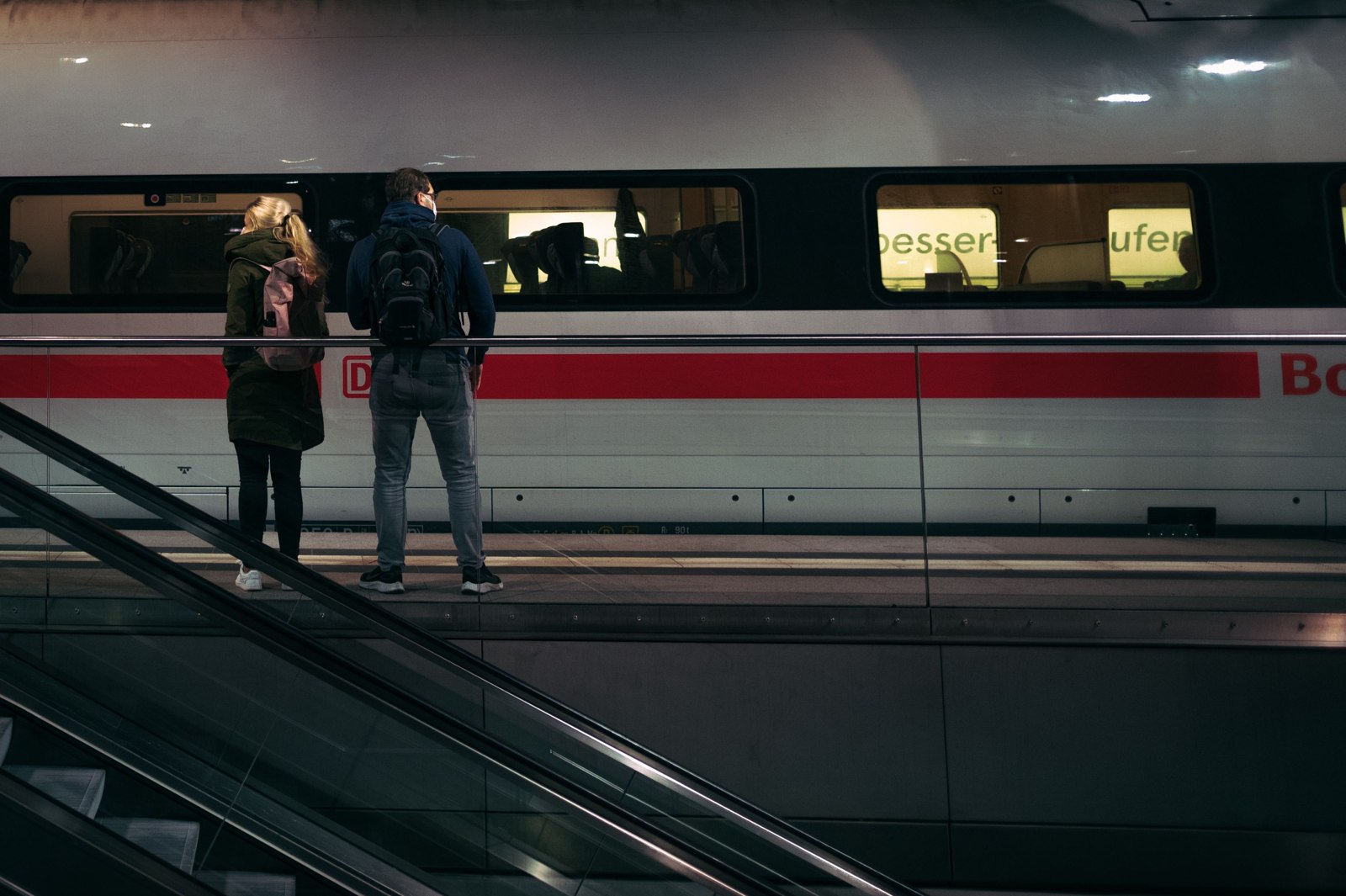
A luggage transfer includes leaving the train, finding your way, walking and boarding again. The walking distance represents only part of that sequence.

Break the change into separate steps
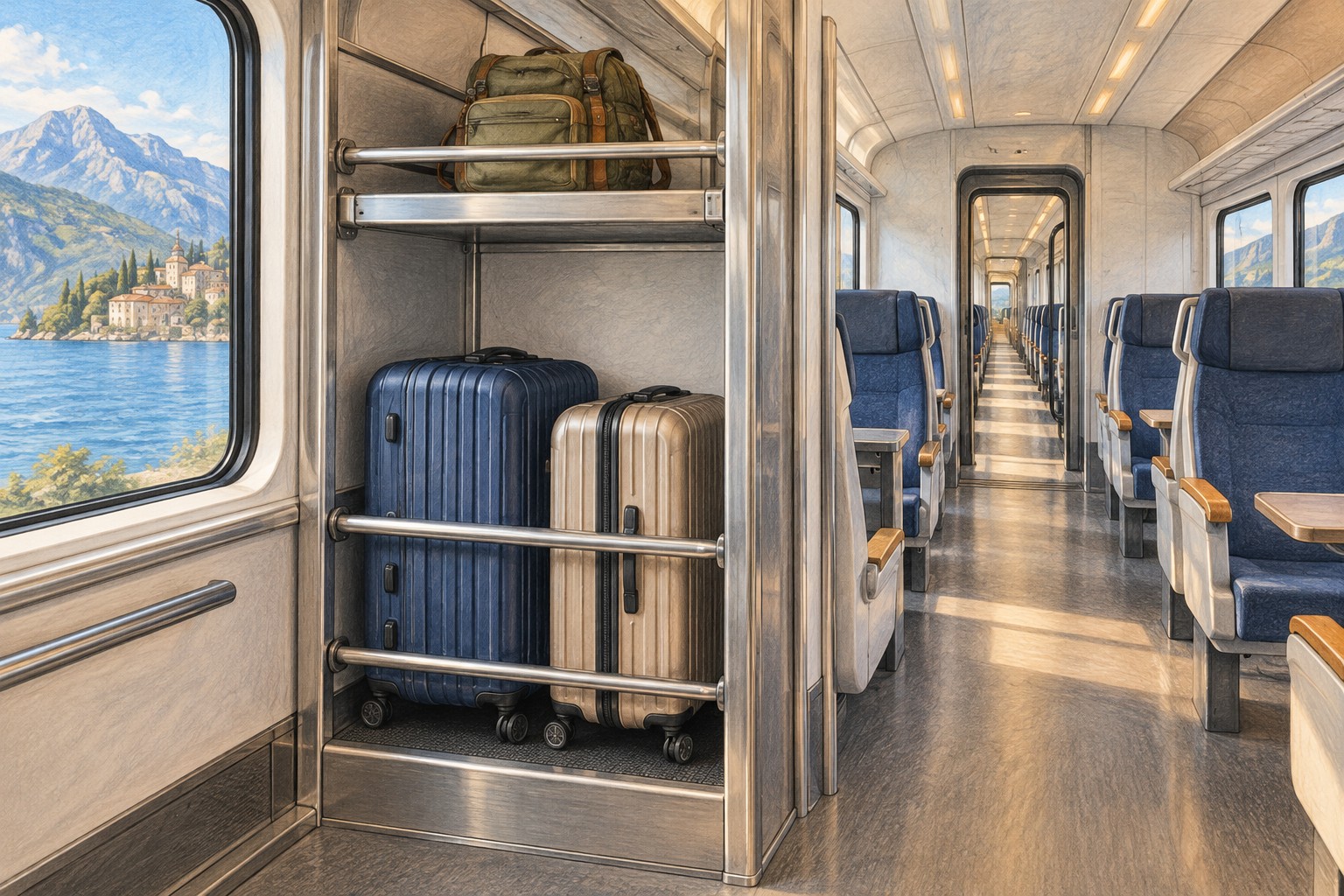
First consider how the bags leave the train. A large case in an end-of-carriage rack may need more preparation than a small bag beside your seat. Gather essentials early without blocking the exit.
Orientation comes next. The next train’s platform and carriage arrangement can change. Check current displays and follow station signs. A saved station map helps you understand the layout but does not confirm the current departure.
If a lift is necessary, its location forms part of the distance. The nearest stairway may not be suitable. Travelling companions should know who handles each bag. A transfer is not the moment to negotiate that division for the first time.
Choose a personal margin
No single connection time suits every station and traveller. Consider station size, bags, mobility and familiarity. DB search allows a longer preferred transfer time, helping you find an option closer to your needs.
For the most important change, investigate a later possibility too. Missing a train has different consequences depending on the time of day. This alternative initially provides orientation; whether your ticket permits it must be established separately.
A long margin need not be spent entirely on the platform. A break may fit when there is enough time. However, do not go so far away that returning consumes the reserve again. Record the latest time to be back at the departure platform.
Make the luggage manageable for the journey
Test at home whether you can move all planned bags together. A small number can still be awkward when both hands are occupied and you also need a phone or ticket.
Keep frequently used items in an accessible bag. These might include booking details, water and whatever you will actually use during the ride. This avoids opening the largest case during a tight connection.
If a route would only work by running, choose another before buying. A longer journey with a calmer change can make the day substantially easier. With an existing booking, ask staff about problems and clarify the next steps instead of boarding an unverified alternative.