Power banks: checking capacity and travel conditions
For a power bank, technical suitability and carriage conditions belong together. A large capacity number neither guarantees more usable charges nor makes the device acceptable on every flight.
Describe the charging task
Write down which devices need charging and when you will next have a socket. A phone between two hotel nights creates a different requirement from a camera, phone and tablet during a long travel day. Decide whether you want an occasional reserve or need to power several devices regularly at the same time.
The printed capacity in milliamp-hours cannot be read directly as a number of complete phone charges. Different voltage references and charging losses affect the outcome. Also compare manufacturer information about usable output, supported charging protocols and port power. A large battery may still charge a particular device slowly if it lacks a suitable output.
Map one example day: the phone starts charged, navigation is needed until arrival, a planned charging opportunity exists at the room, and the evening involves only a short outing. A phone reserve in that situation differs from a bank expected to power a laptop for an extended period. Ask the device manufacturer about appropriate charging output if that requirement is unclear.
Then compare the whole carrying combination, including cables and any charger needed to refill the power bank. A light battery accompanied by a heavy specialist power supply may perform differently in the total luggage calculation. The simpler answer may instead be to use existing charging opportunities more deliberately and leave an unnecessary device at home.
Check labelling and cables together
The watt-hour energy rating is particularly relevant to carriage rules and should be clearly readable on the device. If only individual electrical values are shown, confirm the interpretation through manufacturer information rather than relying on an uncertain calculation as evidence for an airline. Keep the model identification and instructions accessible.
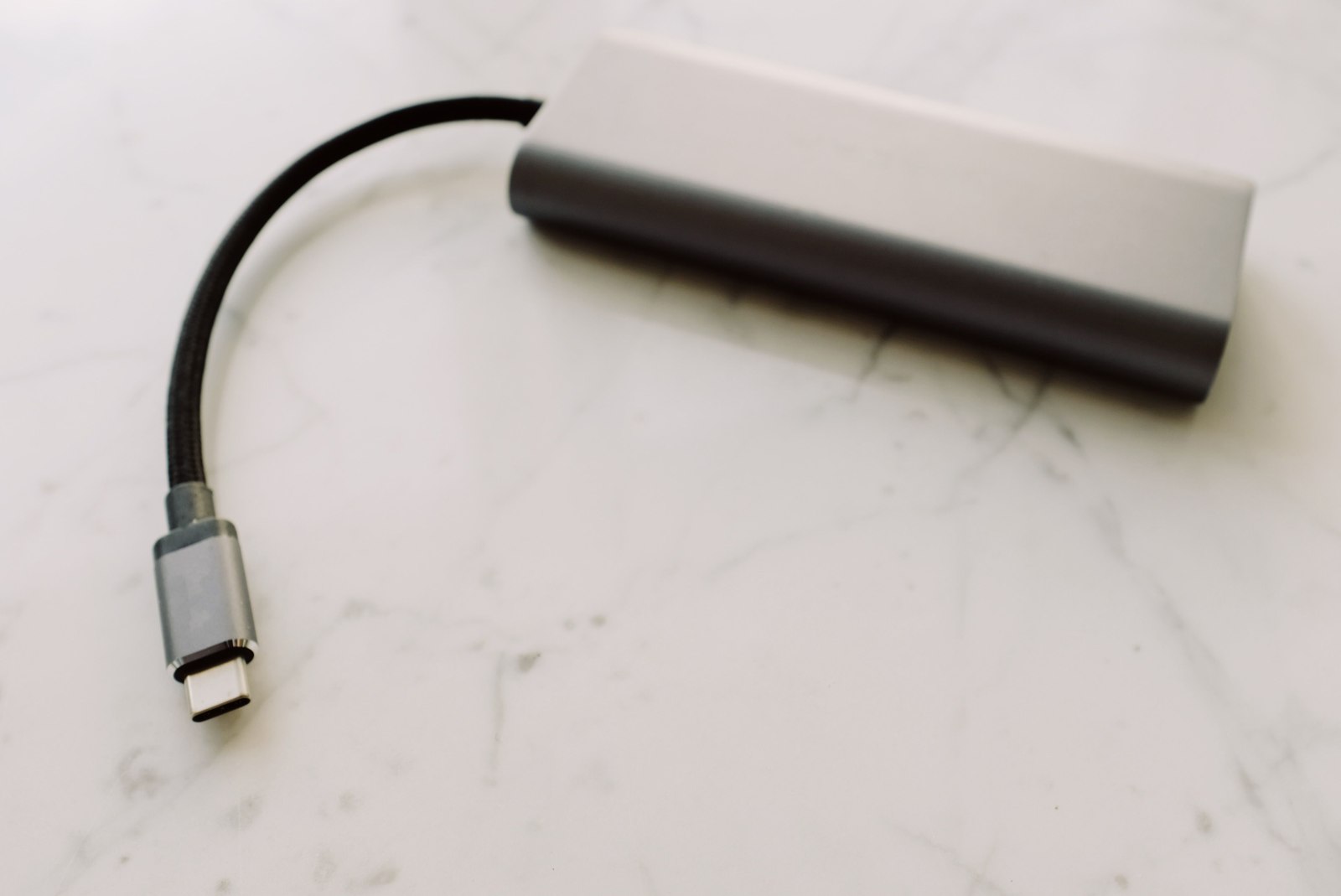
Test the cable with the exact device and port you intend to use. A matching connector alone does not establish the supported power. Include the time needed to recharge the power bank in your comparison. A large reserve that cannot be replenished between travel days has limited usefulness. Damaged, swollen or unusually hot batteries should not remain in ordinary travel use; follow the manufacturer's guidance.
Check each flight again
Read the current conditions of the operating airline. Relevant factors include energy limits, permitted quantities, any approvals, storage location and rules on use. A general carry-on description in an online shop does not replace this check. Different airlines on one itinerary may apply different conditions.
Lufthansa Group published restrictions applying from January 2026 under which power banks must not be used or charged on board and should not be stored in overhead lockers. This example shows why the question extends beyond whether a battery may be carried at all. Consult the current page for your flight even if the same device travelled without difficulty previously.
Pack an accessible reserve
Transport the power bank in accordance with applicable instructions, protecting its connections against short circuits and the device against damage. Do not casually leave it inside a bag that might be checked at the gate. If the baggage arrangement changes, tell the staff about the battery and follow their directions.
For rail journeys and city walks, the reserve should be accessible without loose cables running through the entire backpack. Charge equipment only under suitable conditions, rather than unattended in a tightly packed, heat-retaining space. A clear arrangement consisting of the power bank, an appropriate cable and readable identification is easier to manage than several unfamiliar batteries whose condition and capacity are no longer obvious.