Organising and protecting charging cables when travelling
A cable pouch works when you can find the right lead without pulling out a complete knot. A clear selection usually matters more than an elaborate organiser.
Give every cable a job
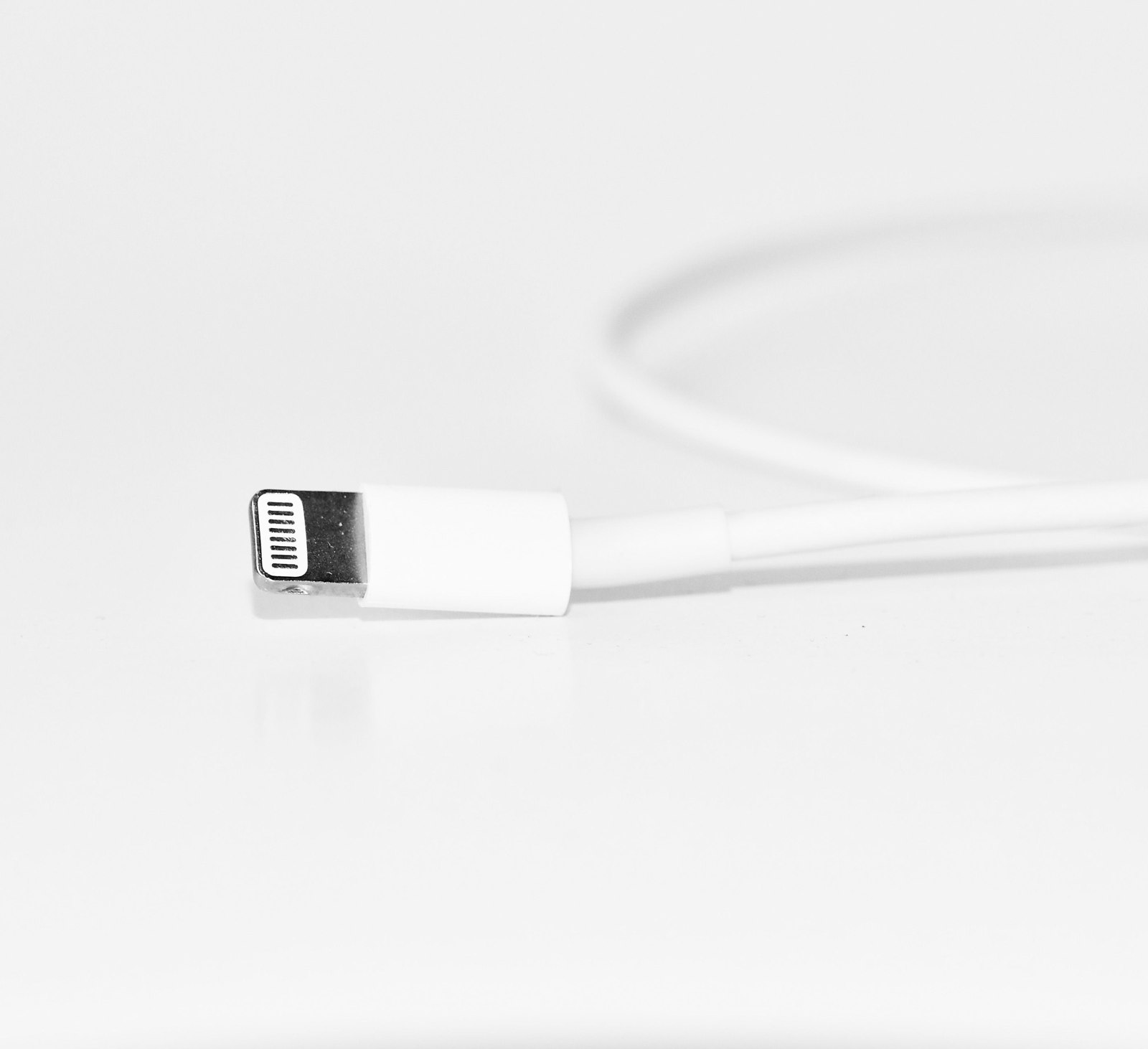
Place your phone, camera, headphones and other travelling devices beside their cables. Check both ends and actually test the connection. Two similar-looking leads can perform different jobs. A cable that charges a device, for example, may not support every intended data transfer. Add a discreet identifying mark if the leads would otherwise be easily confused.
Remove cables for equipment staying at home. Keep a spare only where failure would meaningfully disrupt the trip. A second suitable phone cable can be useful; several old leads of unknown purpose mainly create clutter. Take damaged cables out of the kit instead of continuing to carry them as emergency alternatives.
Bundle loosely and protect connectors
Coil cables in loose curves appropriate to their construction. Tight bends immediately beside a plug and heavily tensioned winding are unhelpful. A soft reusable tie can hold the bundle without squeezing it. You should be able to release the tie without pulling on the cable itself. With very short leads, consider whether bundling adds any benefit.
Store heavy chargers so that they do not continually press against small connectors. In a flat pouch, cables can lie beside the power supply. Small pockets may help, but they must accommodate the actual connector sizes. A zip dragged across projecting plugs indicates that the pouch is packed too tightly.
Put everything away again
During a charging stop, remove only the lead you need. Avoid running a long cable through an aisle or from your bag across another passenger's space. Before leaving, glance at the socket, seat and shelf. Dark cables can be difficult to notice against dark furniture or between seat cushions.
Restore the arrangement each evening before components migrate into several different bags. A fixed place for the daily charging lead saves searching the next morning. After the trip, inspect insulation and plugs and remove cables that proved unnecessary. This brief maintenance routine usually does more than buying another organiser with even more elastic loops.