Luggage locks: understanding use and limitations
A luggage lock can hold a closure together and discourage casual opening. It does not turn a suitcase into secure storage for every valuable possession.
Define its limited purpose
First consider when you will use the lock. A case in a luggage rack, a bag in a room and checked airline baggage are different situations. The lock protects only the intended closure. Fabric, zips and attachment points remain other potential weak points. A small lock is therefore not a reason to leave important documents or particularly sensitive items unattended.
Make sure the shackle actually fits the intended openings. An overly thick shackle may only connect under strain. A very long one can project and catch on things. Try the complete arrangement on filled luggage rather than examining the lock only in your hand.
Combination or key
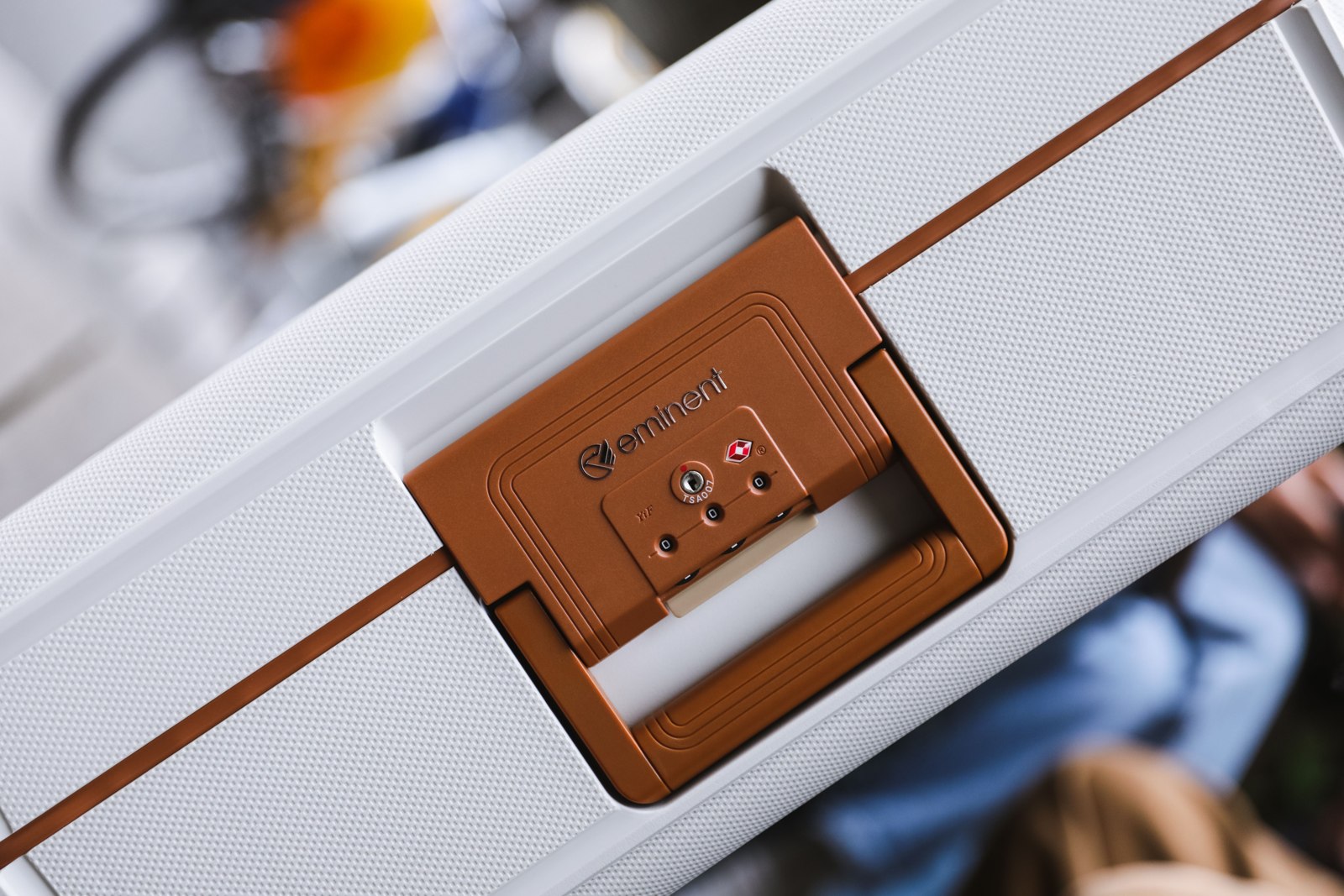
A combination lock avoids an additional key but requires a code you can reliably recover. Set it according to the instructions and test the lock several times while it remains open. Attach it to the luggage only when the new code works consistently. Keep any reminder protected and separate from the visible luggage tag.
For a keyed lock, decide who carries the key and where a spare stays. The only key should not go inside the suitcase you are about to lock. Also check whether you can operate the mechanism with cold hands or in poor light. Very small controls may be more troublesome while travelling than they appear in the shop.
Account for inspection and maintenance
Air travel involves the inspection procedures of the relevant countries and airports. Read current guidance instead of assuming that a security marking creates a worldwide promise of non-destructive access. An inspection-compatible system describes access for certain checks; it does not provide comprehensive theft protection. Even an accepted lock cannot guarantee that luggage will never need opening.
After travelling, inspect the shackle, housing and number wheels for damage. Use only maintenance products specified by the maker and do not force a sticking mechanism. Replace or appropriately assess an unreliable lock before the next departure. The most useful accompanying measure remains a packing decision that keeps necessary documents and other important belongings under suitable personal control.