Describing lost luggage with useful records
When luggage is missing, a precise description is more useful than saying the suitcase is black. Organise its features and records so they identify the same object.
Start with the identifiers you already have
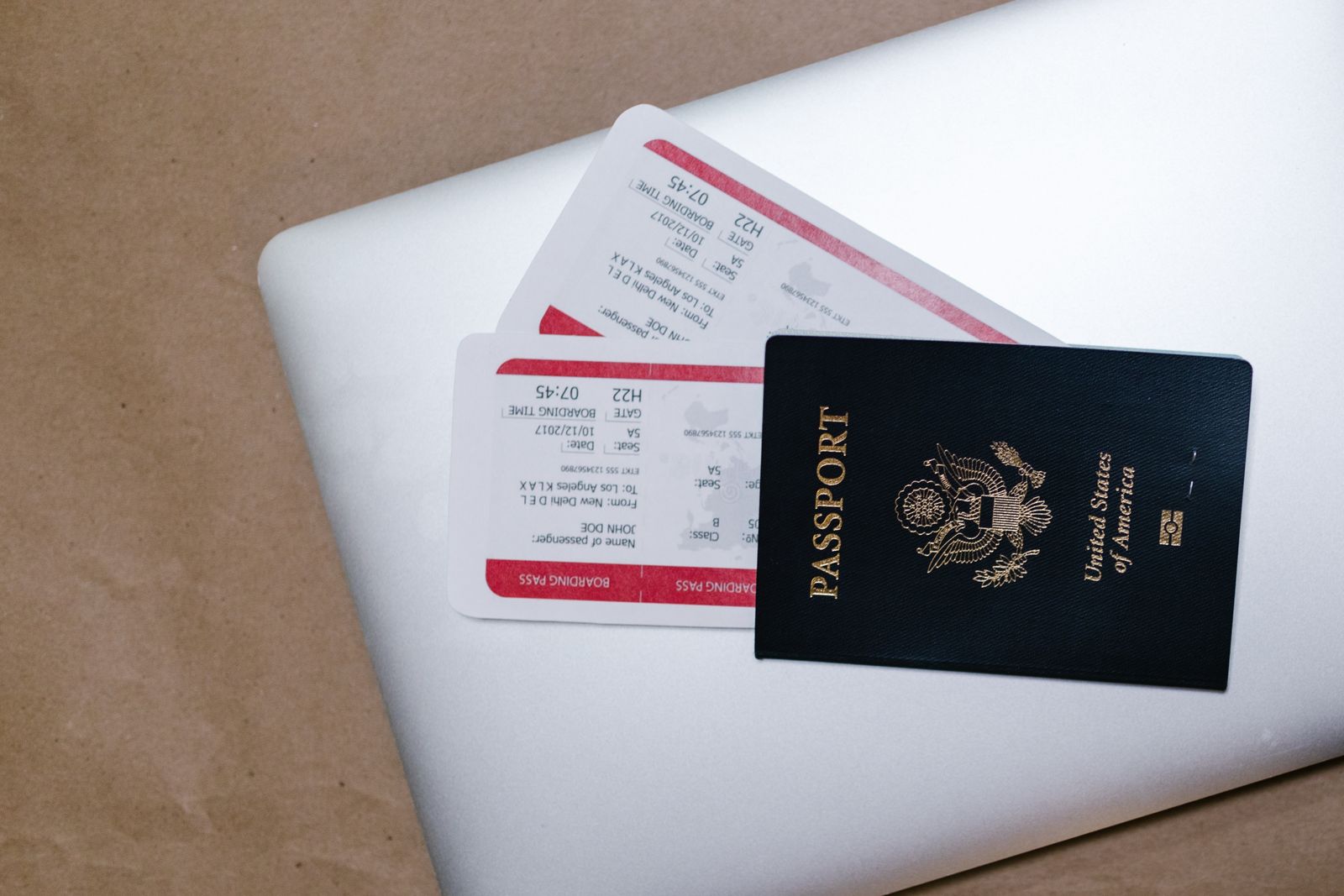
Keep the baggage receipt and flight documents. If a checked item does not arrive, use the reporting process specified by the operating company and check whether it is handled locally or online. A message to your hotel does not replace a report to the responsible transport provider.
Record the case reference you receive and save its confirmation. Use that reference for follow-up enquiries so additional details can be attached to the same case. Check your contact and delivery addresses carefully, particularly if you will move to another place while the search continues.
Move from general appearance to distinctive details
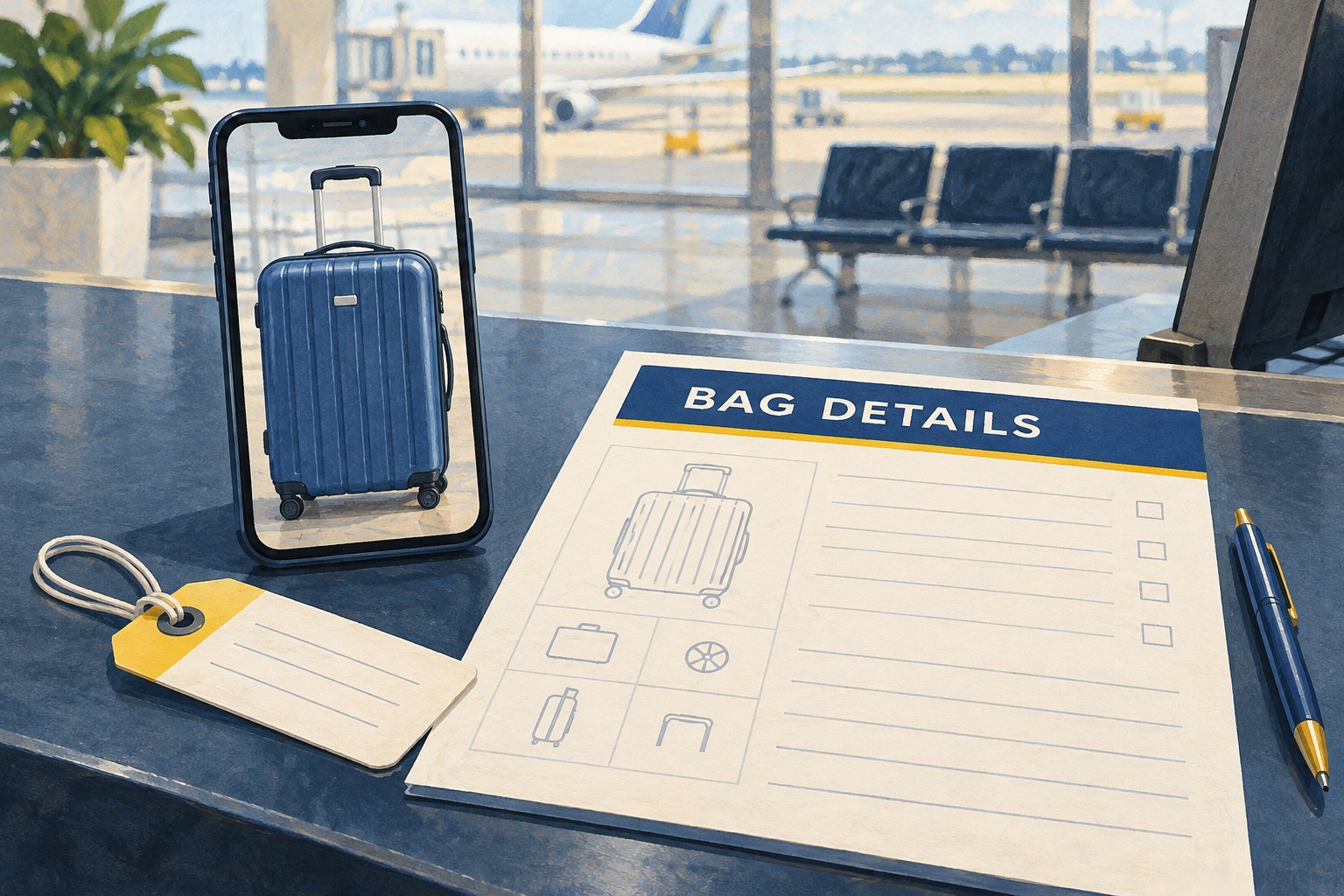
Begin with type, colour and approximate size: a hard-shell case, soft duffel or backpack. Add the brand only if you know it. An incorrect guess can make identification harder. The number of wheels, handle position and distinctive outside pockets may be more helpful than an uncertain model name.
Describe visible features such as a coloured strap, a tag or a damaged corner. Distinguish permanent features from accessories that might detach. An older photograph can help if you explain what has changed since it was taken. A current photograph before departure avoids some of those questions.
If a contents list is requested, start with distinctive objects and stick to details you can support. A model, colour or unusual internal bag may help. Do not invent serial numbers or present estimated prices as established values. Add receipts where the reporting process asks for them.
Keep changes in one place
Maintain a short chronological note containing the reporting date, case reference, replies and changes to your contact information. It need not become a detailed diary. Its purpose is to avoid reconstructing which details you have already supplied every time you speak to someone.
Lufthansa's official baggage page describes reporting and further tracing as separate stages. Details depend on the particular case. Do not turn this into a fixed promise about delivery time or reimbursement; follow the current instructions of the company responsible for your journey.
Do not publish baggage receipts, booking codes or full addresses in public posts. If you need help wording a description, anonymised features are often sufficient. A useful description is specific enough to assist the search without sharing unnecessary personal information with people who are not involved.