Choosing shoes for a trip with plenty of walking
Shoes for long city days need to suit your feet, the surfaces and the rest of the trip. A popular model name alone does not answer those questions.
Try the combination you will actually wear
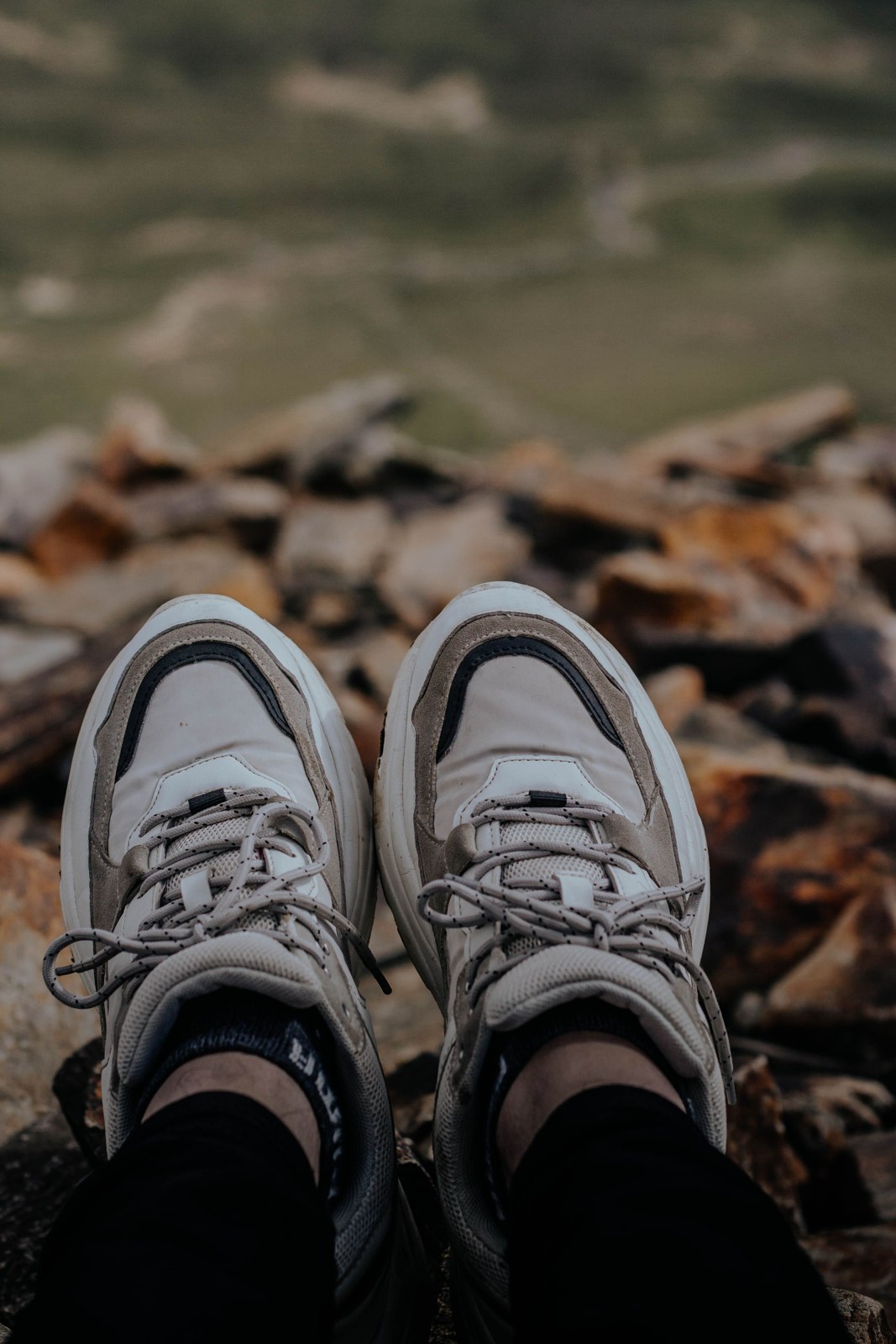
Wear the socks you intend to take when trying shoes. If you already use your own insoles, account for those too. Walk for several minutes, turn around and check how the heel is held. Your toes should not repeatedly strike the front. A shoe that clearly pinches in the shop does not become a dependable travel choice simply because you hope it will loosen later.
Try both feet rather than just one display shoe. Check whether the lacing can hold your foot without concentrating pressure in particular places. A soft upper can feel pleasant while the underlying shape remains unsuitable. Persistent discomfort or particular requirements call for individual professional advice rather than a general online list.
Consider surfaces and weather separately
Asphalt, smooth paving slabs and uneven old-town lanes place different demands on footwear. Look at sole shape, flexibility and intended use. A deep tread is not automatically superior on every wet surface. Read the manufacturer's information rather than relying on a broad slip-resistant claim that seems to cover all conditions.
Water-repellent or waterproof construction may be useful in rain, but it also affects weight and drying. Another design may be more comfortable for a predominantly warm trip. Consider what happens after a wet day: will there be time to dry the shoes, and are you bringing another wearable pair? Do not leave damp shoes enclosed in a bag for prolonged storage.
Use them before departure day
Wear new shoes for several ordinary outings before travelling. Start with shorter distances and notice whether the same pressure points recur. A pleasant walk across the living room tells you little about a day involving repeated periods of standing. The aim is not to endure discomfort but to identify an unsuitable choice in time.
Also compare packed weight and the space occupied by a spare pair. One versatile pair suited to your planned activities can replace several specialist options. It need not cover every imaginable event. If a restaurant or appointment requires particular clothing, establish that requirement specifically instead of bringing several heavy pairs just in case.
Clean and care for the material according to the manufacturer's instructions. Avoid experimenting with unfamiliar treatments on a well-fitting pair immediately before departure. Inspect laces and visible damage early enough to arrange replacements, rather than discovering the problem at the station.
A useful trial includes brief waits and the surfaces available locally. Walk to a stop with your daypack and stand there for a few minutes rather than only walking steadily around a circuit. The additional load may change how the shoes feel. Afterwards, record specific observations about heel hold, toe space and lacing. This makes a discussion about fit more precise than a vague statement that the shoes are somehow uncomfortable, while avoiding the assumption that one successful short walk predicts every travel day.