Choosing an eye mask and earplugs for travel
An eye mask and earplugs may reduce unwanted light and sound. Their fit and the travel situation matter more than a broad promise of uninterrupted sleep.
Try the mask sitting and lying down
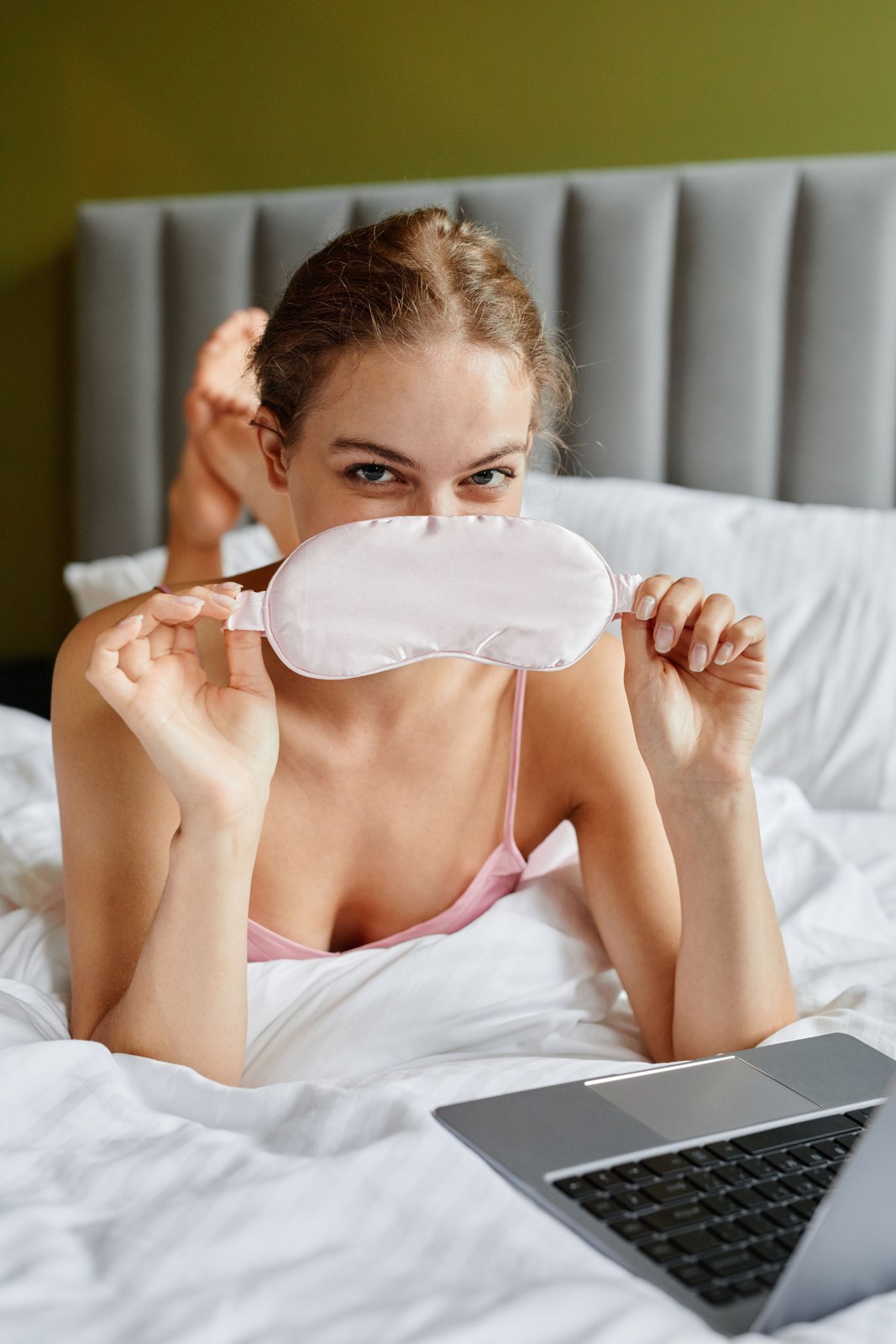
An eye mask should limit light around the nose and cheeks without pressing uncomfortably on the eyes. Try it in the position in which you expect to use it. A wide fastening may feel different against a bed pillow and a train headrest. Check that the strap adjusts and that removing it does not catch your hair.
Shaped masks often provide more space around the eyes but occupy more room in luggage. Flat models pack smaller yet do not fit every face equally well. Feel the seams and read the care instructions. A mask that becomes damp or dirty during use needs a manageable cleaning and complete drying routine.
Use earplugs according to their instructions
Choose a product with clear instructions and a size suitable for you. Different designs require different insertion and care methods. Follow the instructions for that model rather than borrowing a technique from another type. Do not simply continue using plugs that cause pain or irritation. Individual questions about your ears belong with an appropriate professional.
A stated attenuation figure does not promise that every voice or sound disappears. The actual fit also affects what you hear. Try unfamiliar plugs before travelling in an ordinary quiet setting. A lengthy experiment on a night train is inconvenient if that is when you discover the material or handling does not suit you.
Keep important signals in mind
Consider which announcements, alarms or instructions you need to notice. A journey involving a connection differs from sleeping in your own hotel room. Do not assume that one alarm arrangement will be noticeable under every condition. If appropriate, agree an additional dependable routine with a travelling companion without unexpectedly making them solely responsible for waking you.
Store the mask and plugs cleanly, away from loose coins or shoes. A small storage arrangement that can air after use may be more useful than a permanently damp closed case. Before packing, check whether the product remains usable and whether replacements are needed. The aim is a simple workable routine, not an ever-growing collection of sleeping accessories.