Choosing a daypack for city sightseeing
A city daypack carries less than your main luggage, but it is opened, put down and moved through tight spaces much more often.
Assemble the actual daily contents
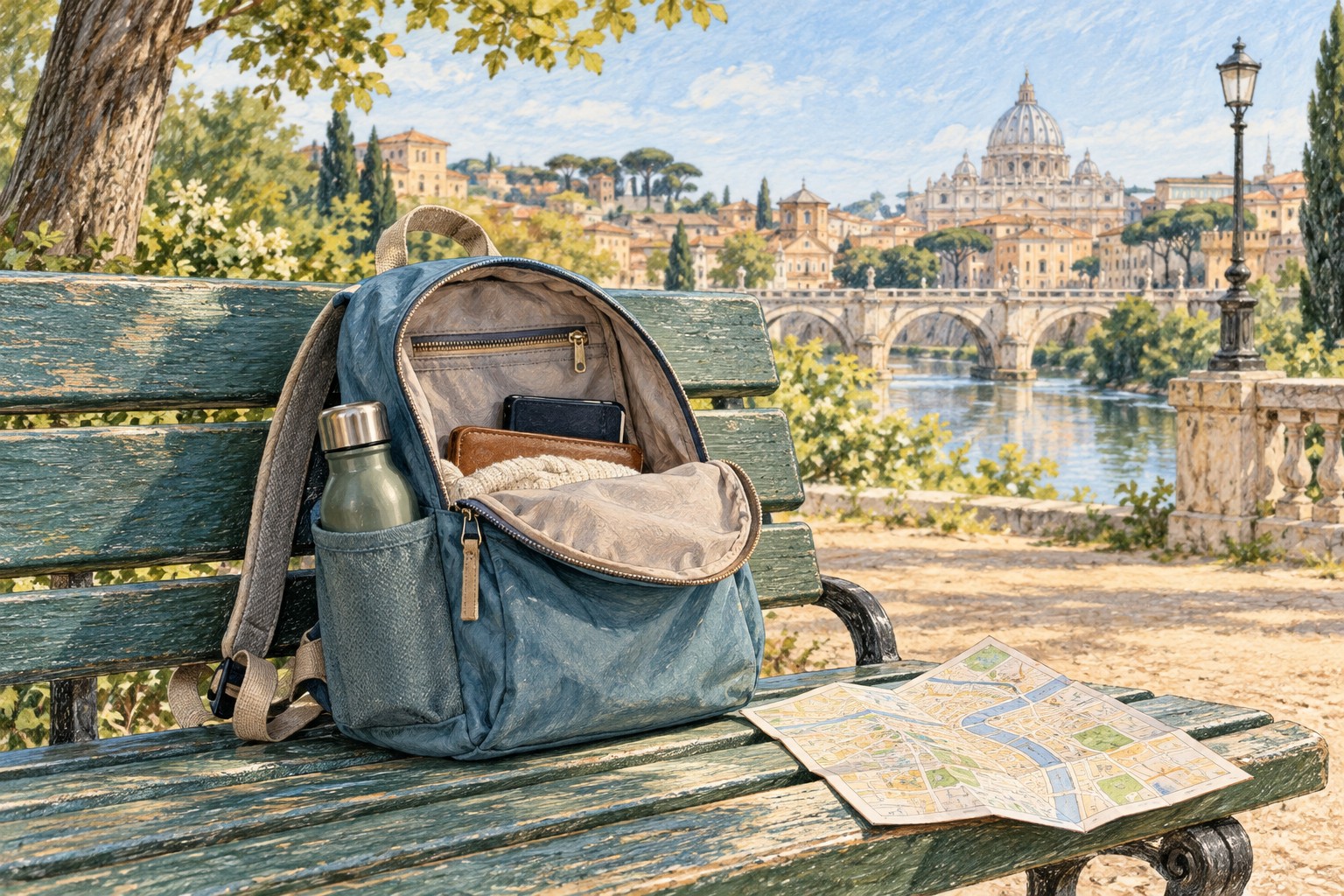
Start with a typical day rather than a universal capacity recommendation. You might take water, an extra layer, a small snack, a map and a camera. Another visit may only require a jacket and personal essentials. Arrange these things together and notice which have a fixed shape. A tall bottle or camera can determine the necessary internal height more than several soft garments.
Include the return journey in your thinking. If you wear a jacket in the morning and want to put it away later, it needs room in the pack. A model that starts almost completely full leaves no reserve for that. An excessively large bag, on the other hand, encourages unnecessary contents and occupies more space in crowded places.
Carrying between the tram and the exhibition
Try the pack with your intended contents. Walk, turn and take it off several times. Shoulder straps should neither slip towards your neck nor continually slide off your shoulders. A chest strap can steady the carrying system, but it needs to suit your clothing and movement. A rigid back panel may help with certain loads while adding bulk to a bag intended to fold away.
Notice the depth of the packed bag. Luggage projecting far behind you is harder to monitor on a tram or in an exhibition. Some venues require backpacks to be checked in or carried differently. Look up those rules before a booked visit, particularly if you are carrying a camera or belongings you do not want to leave in a cloakroom.
Pockets for repeated actions
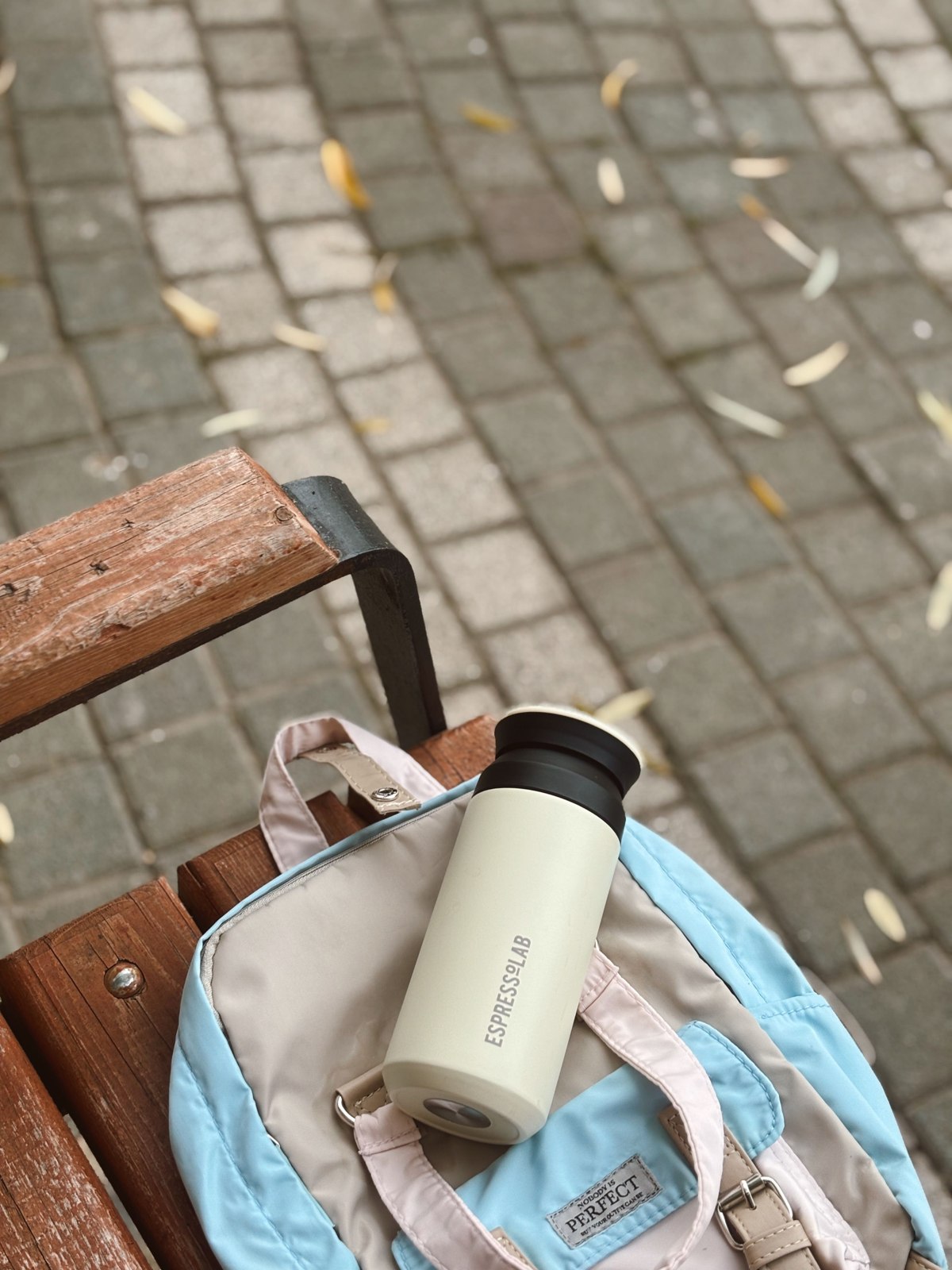
The bottle pocket should retain a filled bottle when you bend over. Test it with your own bottle: a wide mesh pocket can be too loose for a narrow one. A small outside pocket is convenient for non-sensitive items. Valuables need a deliberately chosen closed compartment; a security-pocket label does not replace awareness.
Open the main compartment on a bench without laying the whole pack flat. Can you remove the jacket without unpacking everything else? A light-coloured lining can make small items easier to see. Too many hidden pockets, however, create several possible places to search for a ticket or a key.
When sharing one daypack, both travellers should know where necessary items are. One bag for water, jackets and tickets reduces the bag count but may concentrate every access task on one person. If you intend to separate temporarily, each person still needs their essential documents and a workable contact method. The shared bag should not create unintended dependence.
Also establish who wants to carry the loaded pack. A fit comfortable for one person may not work for the other. If you regularly swap, straps should be straightforward to readjust. A brief shared packing and carrying trial provides more useful information than a unisex description alone, particularly once the water bottles and spare layers are included.
Think about rain and the journey home
A water-repellent surface does not tell you how seams and zips behave during prolonged rain. Sensitive belongings may need an additional suitable cover with protection matched to the situation. An external rain cover does not necessarily protect the complete back of a pack either. Rely on specific manufacturer information rather than a rainy scene in the advertising.
If the daypack will travel inside your main luggage, inspect its packed size and the effect of folding on structured components. A model that lies flat may be more convenient than one that only fits its tiny integrated pouch after considerable effort. Afterwards, crumbs should be removable and damp sections able to dry. These everyday tasks often matter more than specialist attachment points that remain unused during a city break.