Checking refillable toiletry bottles
Refillable bottles can carry a small amount of shampoo or shower gel. Size alone does not tell you whether the material, contents and closure are a suitable combination.
Do not decant everything
Start with instructions from both the product manufacturer and the bottle maker. Silicone, rigid plastics and different seals do not behave identically with every formulation. Humangear, for example, identifies compatibility limitations for some liquids in its GoToob range and describes the containers as travel products rather than general long-term storage. That statement cannot simply be extended to every other bottle design.
Sterile solutions, medicines and products requiring particular storage should not casually be transferred into an ordinary travel container. Decanting also separates the contents from original identification and application instructions. If permission to transfer a product is unclear, an appropriate original travel size or a question to the manufacturer is a better choice. Do not combine different leftovers in one bottle.
Test how the opening works
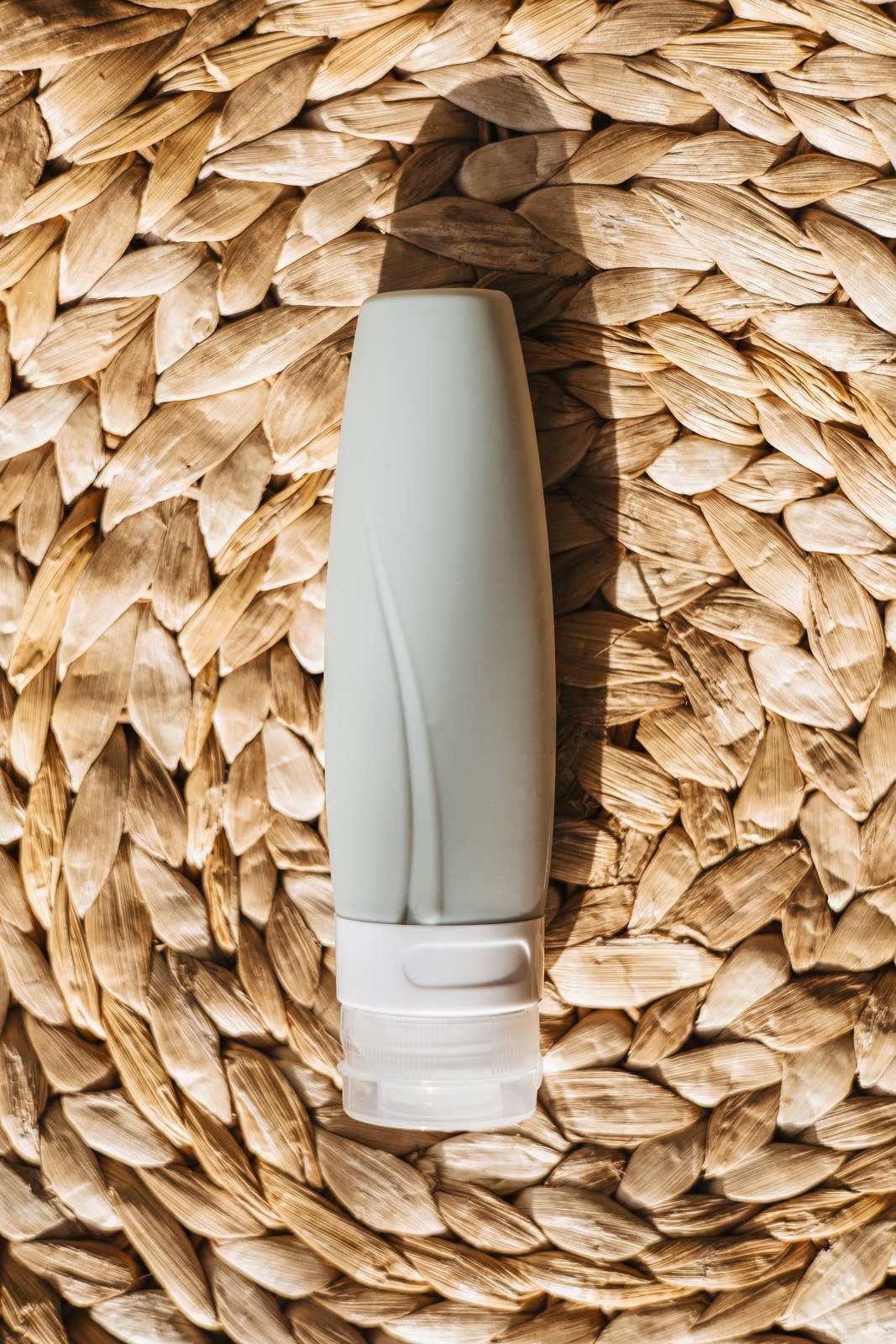
A wide filling opening helps with refilling and cleaning. A large dispensing opening, however, may release too much of a thin liquid at once. Examine both sides of the design: how does the product go in, and how controllably does it come out? A flexible bottle should be manageable in one hand without its cap coming loose when squeezed.
Try a small amount of a new, compatible product at home before travelling. Place the closed bottle inside a suitable secondary cover and inspect it later for moisture, distortion or changes in the contents. A successful trial cannot guarantee resistance to every pressure or impact in your luggage, but it can reveal an obviously unsuitable closure early.
Label each bottle clearly with its contents. Similar-looking creams and gels are easily confused while travelling. Record the filling date if useful and retain the original product information. Identification should remain readable with damp hands and should not interfere with the closure.
Empty it properly after the trip
Clean the parts according to their respective care instructions and allow them to dry fully. Some caps contain several pieces that require different treatment from the bottle body. Dishwasher suitability for one component does not automatically apply to every seal and flip-top lid. Narrow areas that cannot be reached may considerably reduce the usefulness of an inexpensive bottle.
Before buying, check whether replacement caps or seals are available. Damage to one small part should not necessarily mean replacing the entire set. For a flight, also check current container and screening requirements at your departure airport. A large bottle does not automatically qualify as a small permitted container merely because it is only partly filled.