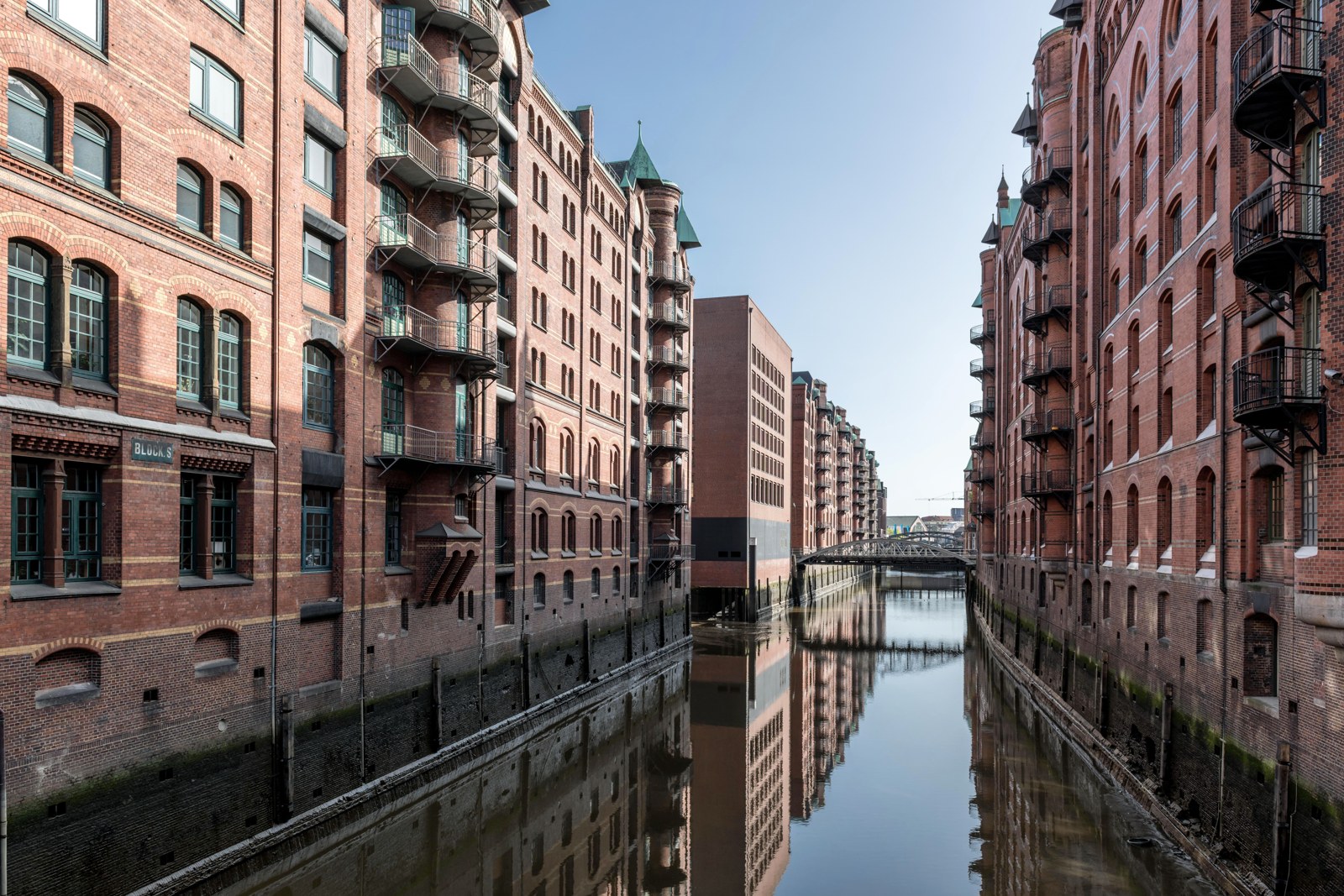
Strasbourg: dividing time between the old town and European quarter
Strasbourg’s Grande Île and European quarter show different sides of the city. Giving each area its own time block makes the visit easier to arrange.
Explore the old town as a connected section
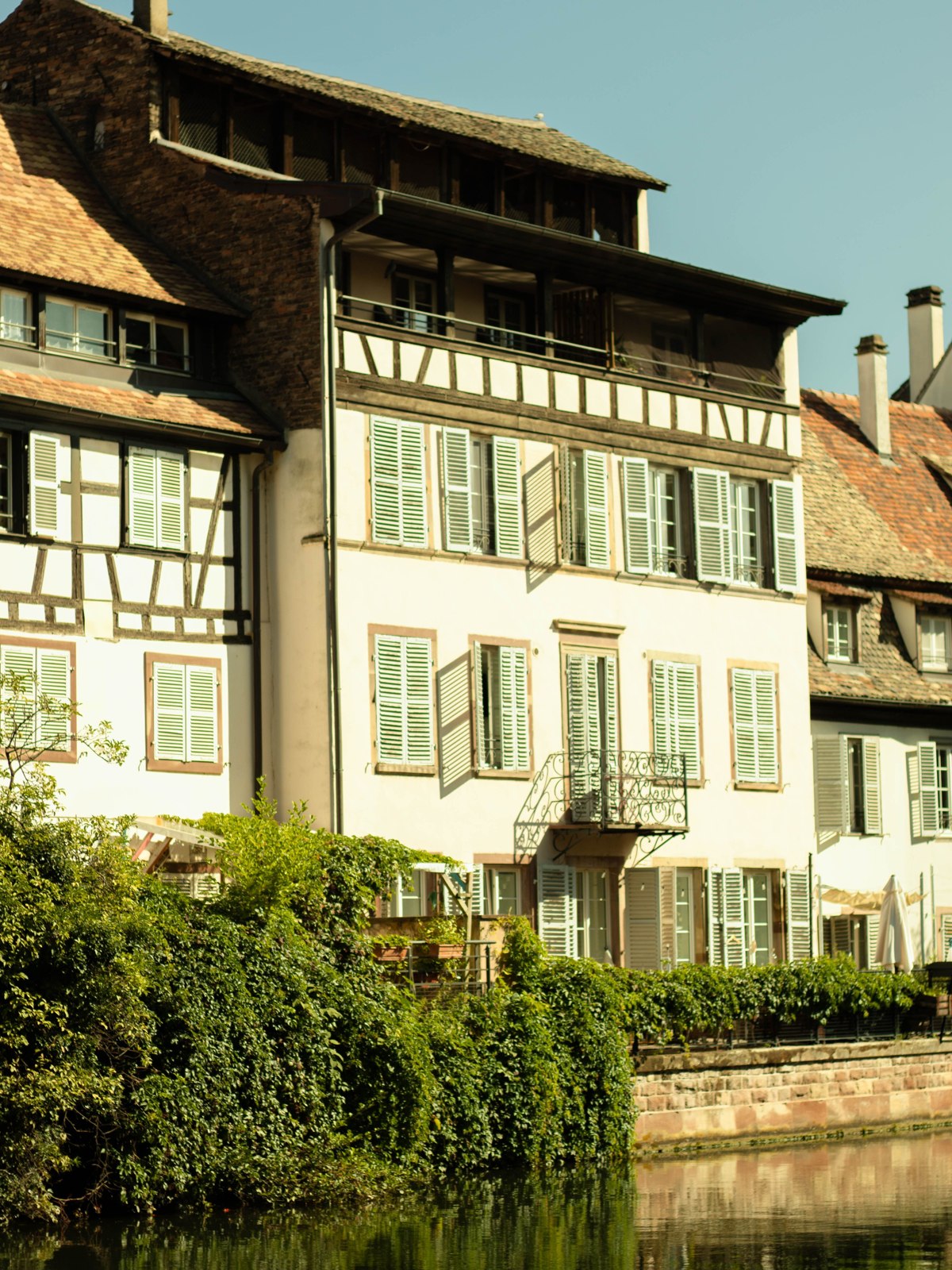
On the Grande Île, the cathedral surroundings, squares and Petite France can form one focus. Decide whether to add a museum or particular interior. Walking the streets also takes time, especially when stopping beside canals and bridges.
Petite France is not immediately outside every entrance around the cathedral. Check the connection and choose a direction that avoids backtracking. Place lunch where your walk would naturally end.
If architecture interests you, explore a small section slowly. You do not need a longer list of buildings to justify that. In rain, one selected interior provides a different rhythm, but choose it for its contents and actual opening arrangements.
Choose Neustadt for a third perspective
If urban planning particularly interests you, Neustadt can replace a formal institutional visit. Around Place de la République, the scale changes: broader streets and larger squares contrast with the tighter routes on Grande Île. Official tourism information describes this square as a connection between the old-town island and Neustadt.
Plan that comparison as a walk in its own right. Explore a section of the old town first, then continue towards Place de la République. Differences in street width, sightlines and building arrangement become visible without requiring a long sequence of interior visits. If particular buildings interest you, establish beforehand which are publicly accessible and for what purpose.
On a short stay, choose between this architectural extension and a longer excursion to the European quarter. Both need not fit alongside the entire old town on the same day. Neustadt can be especially useful when you want an open-ended walk; for a specific European institution, the confirmed visiting time remains the stronger anchor around which to arrange the day.
Make the European quarter a second focus
The European quarter lies beyond the compact historical core. If visiting a European institution, check its current visitor arrangements. Access, booking and possible screening are different from walking freely outside the buildings.
For a shorter stay, an exterior architecture walk may be enough. Including the Orangerie area gives the day a different character from the narrow Grande Île streets. Count the transfer explicitly instead of treating both areas as immediately adjacent.
Across two days, a clear division is straightforward: a substantial old-town section and another day with the European focus. With only one day, decide which matters more. Two very short visits separated by travel may offer less than a connected afternoon.
Judge accommodation and departure against real routes
An old-town room may be pleasant in the evening, while another location may offer easier arrival. Compare luggage journeys and travel to the main destination. The most attractive photographed setting is not automatically the most convenient base.
On departure day, do not place a reserved visit too close to your train. Include cloakroom collection, stored luggage and the station journey. Once these are settled, a final short walk can remain flexible.
For institutional visits, record the exact address and bag rules. General city information does not replace your visitor confirmation. Historical sightseeing and a formal appointment can then coexist without requiring the same pace.