Berlin: planning by neighbourhood rather than a long attraction list
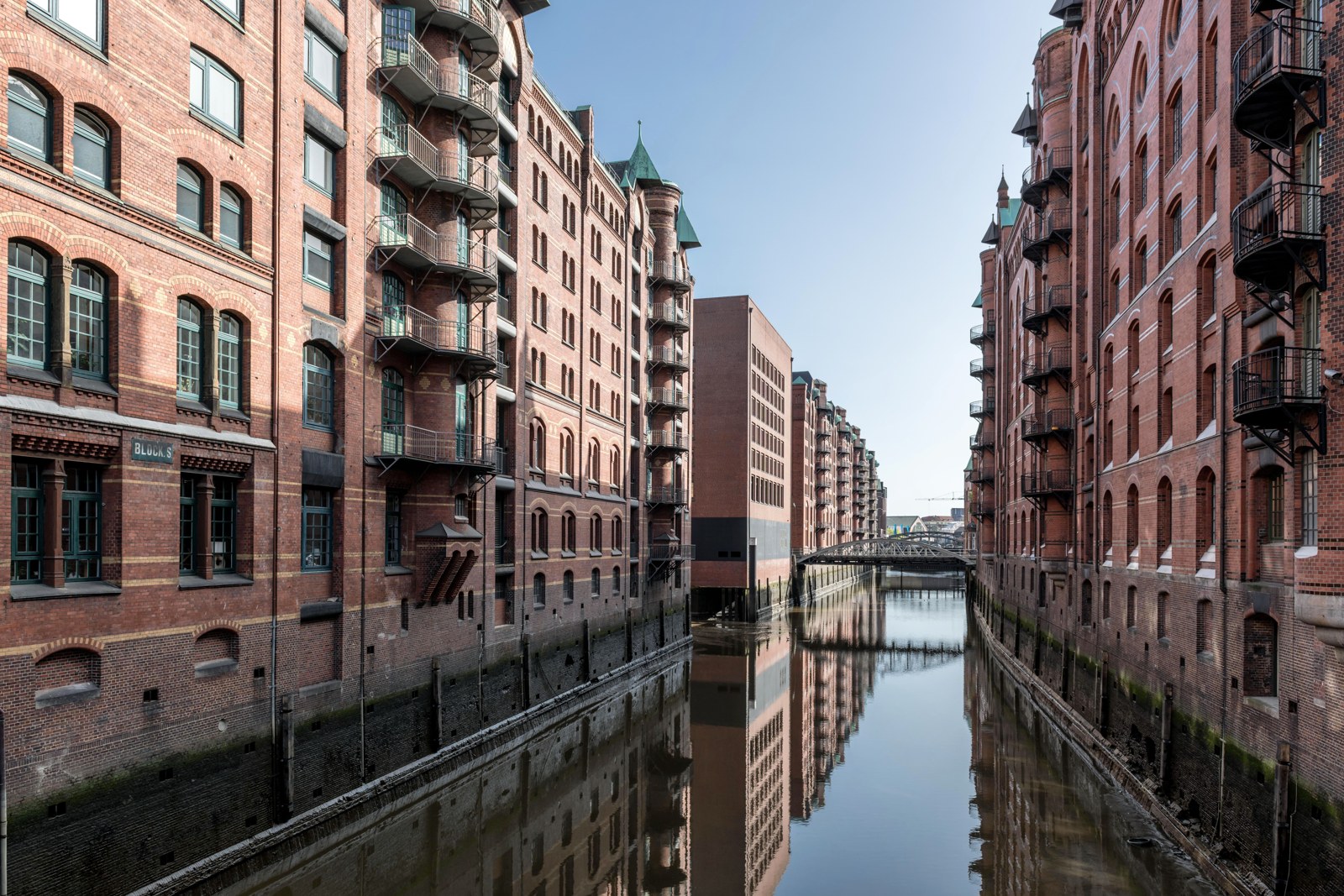
Berlin becomes easier to plan when each half-day has a geographical centre. The number of districts visited is a poor measure of how much of the city you actually experience.
Put a few anchors on the map
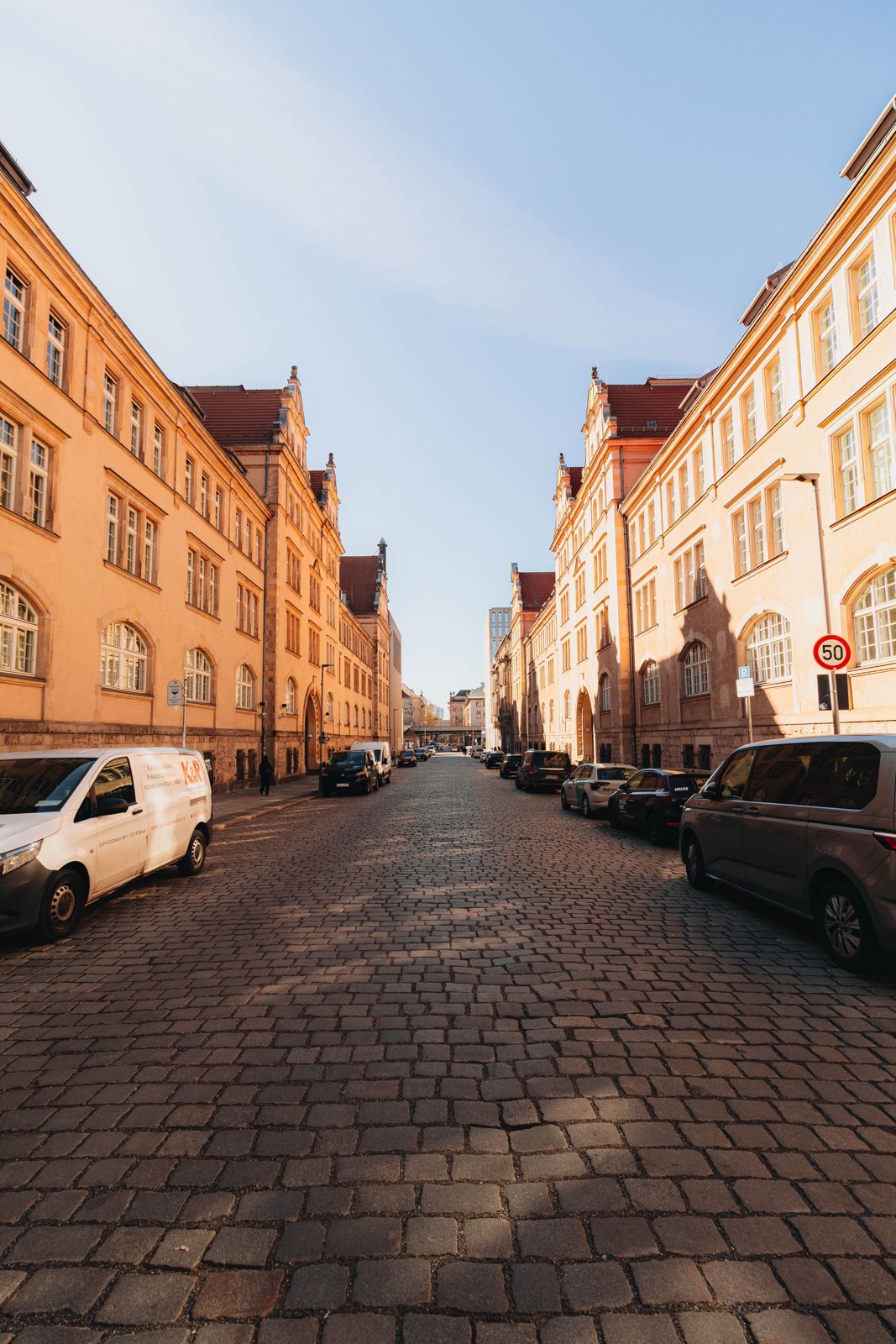
For a first visit, Mitte can provide the historical focus, with one additional area chosen deliberately. Museum Island, Unter den Linden and the Brandenburg Gate can form a connected part of a visit. That does not mean every interior belongs on the same day. A substantial museum may use the most attentive part of your day on its own.
Start by marking your accommodation, arrival station and no more than three essential places. Add possible walks afterwards. If two priorities sit far apart, count the journey between them as an activity with its own cost in time and energy. A direct service can be more comfortable on a short break than a nominally faster route involving several changes.
Give Mitte and the second area different roles
Mitte suits a day with one reserved visit followed by an open-ended walk. In Kreuzberg, the neighbourhood itself might be the point: streets, squares, a meal and time beside the water. Charlottenburg is a different choice when the palace, museums or City West matter more. These areas should not become interchangeable backdrops for an identical attraction checklist.
One possible arrangement is a morning around Museum Island and an afternoon further west. On the second day, remain mainly in your chosen additional area. Returning across Berlin for one photograph may take much longer than the tiny stop appears to require on paper. Check the sequence before buying timed admission.
If you have an evening event, place its address on the map first. Dinner nearby is easier to arrange than a restaurant across town. Include the journey back to your accommodation and search for the actual day of the week rather than assuming that every late service runs identically.
Judge the accommodation as a starting point
A large district name does not establish a useful location. Compare the walk to the stop, the number of changes and the final walk from the destination station to the entrance. A room beside a line that serves your plans may be more useful than an address described only as central.
For a two-day trip, decide what happens to your luggage. Crossing the city to leave bags at the hotel before returning to an attraction near your arrival station can be unnecessary. Ask about early storage or investigate a suitable alternative. Do not assume that a large bag can accompany you into a museum; its visitor rules need to fit your arrangement.
Leave room for something unplanned
Keep a genuinely open period between fixed appointments. It can absorb a longer exhibition, an unhurried meal or a changed transport connection. A secondary wish list is useful, but it should not quietly become compulsory.
Choose a wet-weather alternative within the same part of Berlin. This preserves the geographical logic of the day. When time runs short, remove an entire distant detour rather than reducing every visit to a few minutes. A connected afternoon gives you more sense of a neighbourhood than repeatedly arriving somewhere and immediately leaving.