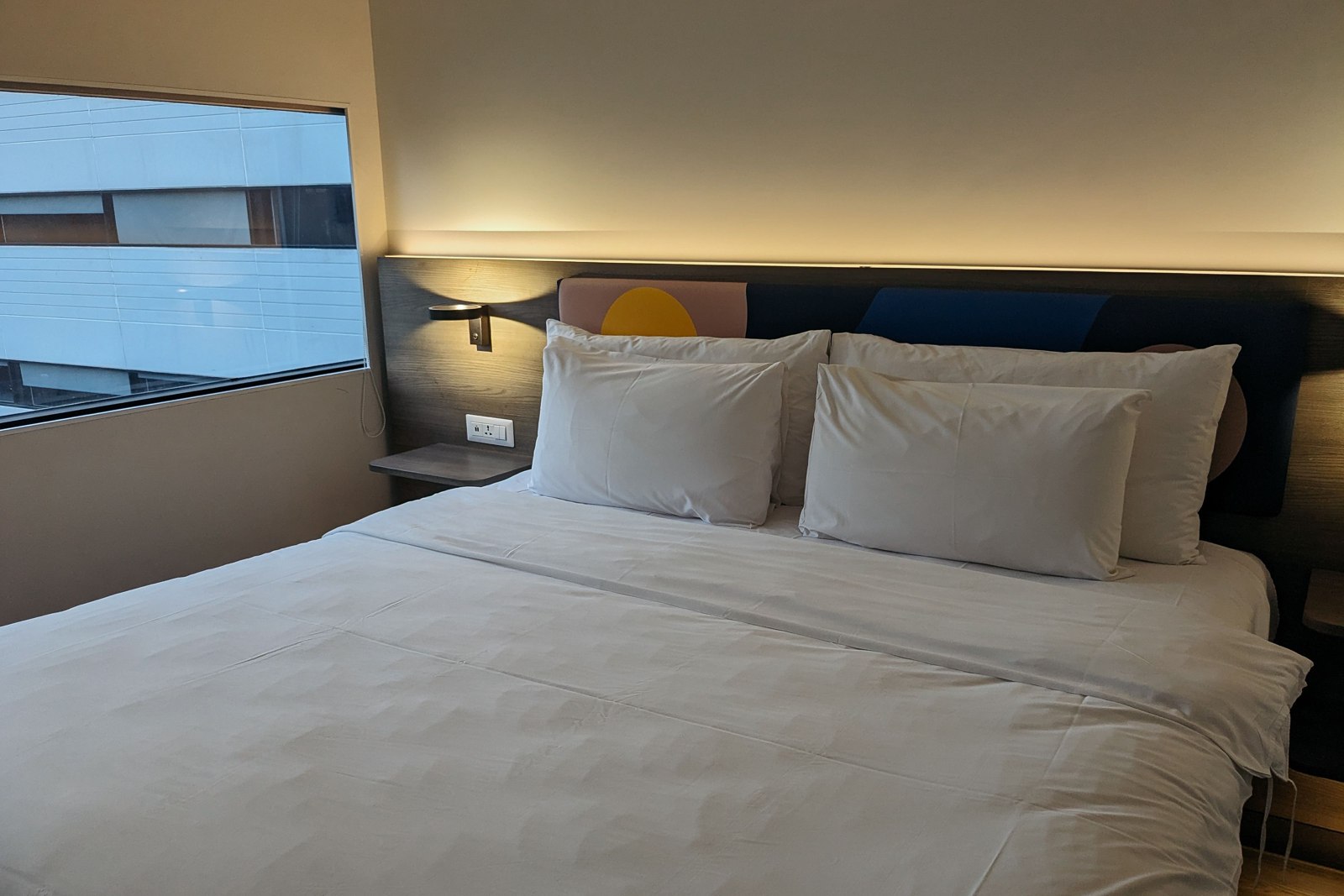
Reporting accommodation problems clearly during a stay
An accommodation problem is easier to address when the property knows what is wrong and what response is needed. A factual report provides that starting point.
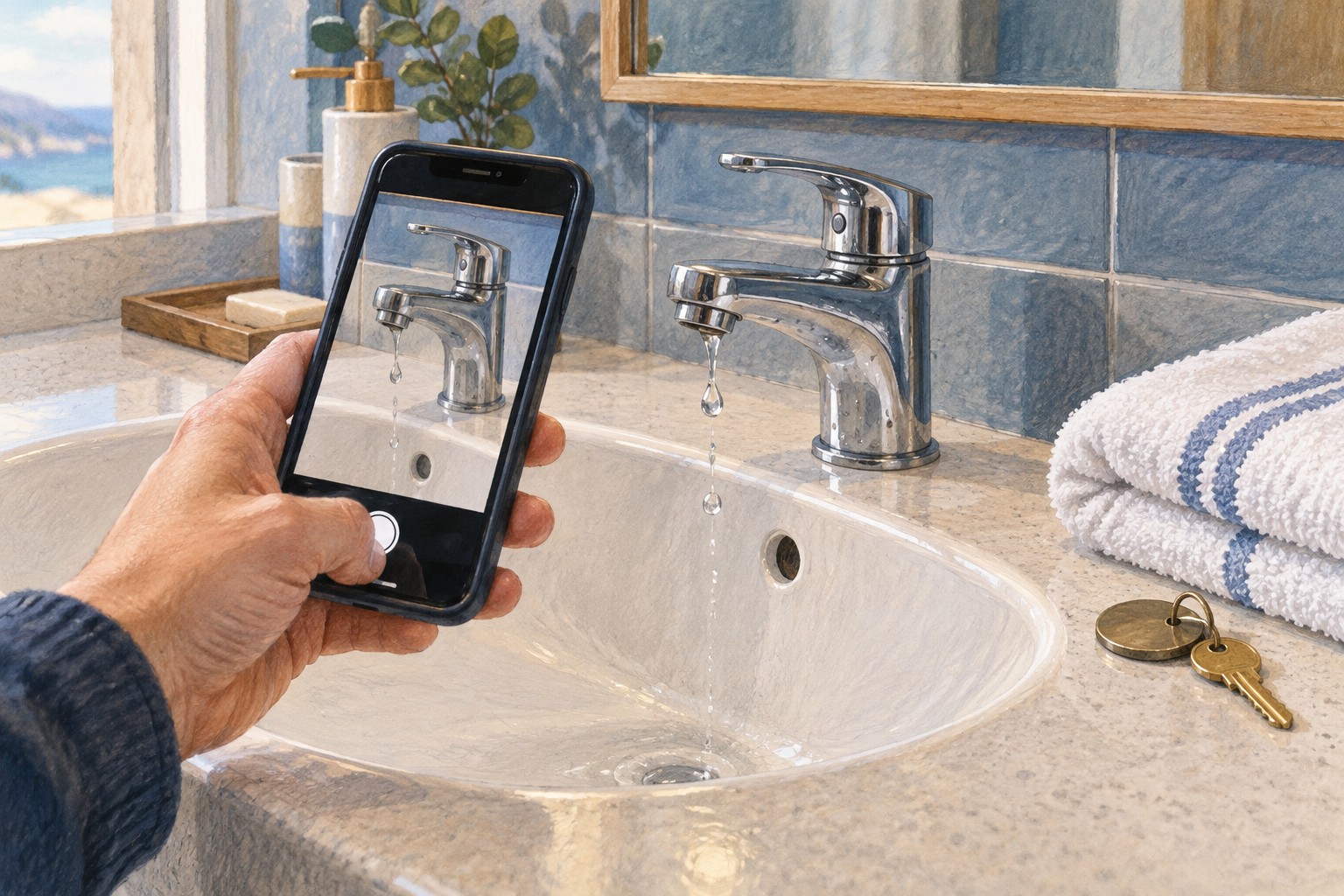
Describe the observation and its effect
Identify the location and what you observed. Instead of saying the room is unusable, explain that the entrance door will not close or the agreed sleeping arrangement is missing. Add when the issue began and how it affects the stay. Keep verifiable facts separate from guesses about the cause.
Where there is immediate danger, safe action comes before detailed documentation. Leave the affected area and use appropriate local assistance. Never expose yourself to risk merely to obtain a photograph. For ordinary defects, a few clear images may help without photographing the entire room or other guests.
Use a reachable responsible contact
Report the issue during the stay where possible, using reception, the host or the designated contact. Give the responsible party a clear opportunity to respond. A public comment does not replace direct notification when a solution may still be available on site. Keep relevant messages and briefly record the time and agreement after a conversation.
State the next step you want: investigation of a fault, missing linen or information about another room. Not every preferred solution will be available. Ask about a realistic alternative and when to expect a response. If a booking platform is involved, follow its current reporting process and conditions rather than assuming an invented deadline.
A short message can contain four elements: booking identification, observed problem, its effect and the response requested. For example, a missing agreed sleeping arrangement can be followed by asking when a suitable solution can be provided. Avoid sending inconsistent versions to several staff members once a clear contact is responding. If you need to change contacts, include the arrangement already discussed. This helps continuity and prevents the same details being explained repeatedly while the actual problem remains unresolved.
Keep agreements traceable
Seek a brief written confirmation of important arrangements where possible. These might include moving rooms, a repair appointment or an agreed refund. Check additional charges before accepting a paid alternative. Using another hotel does not automatically mean somebody else will pay its bill.
Separate a workable on-site solution from any later rights or claims. Those depend on the booking, contract, applicable rules and circumstances. This article does not replace individual legal advice. For managing the trip, a clear sequence helps: report the issue, retain the response, assess the solution and follow up specific unresolved points.
After departure, keep any review focused on what actually happened. Include whether and how the property responded. That is more informative for future guests than unverifiable claims about intentions or sweeping accusations.