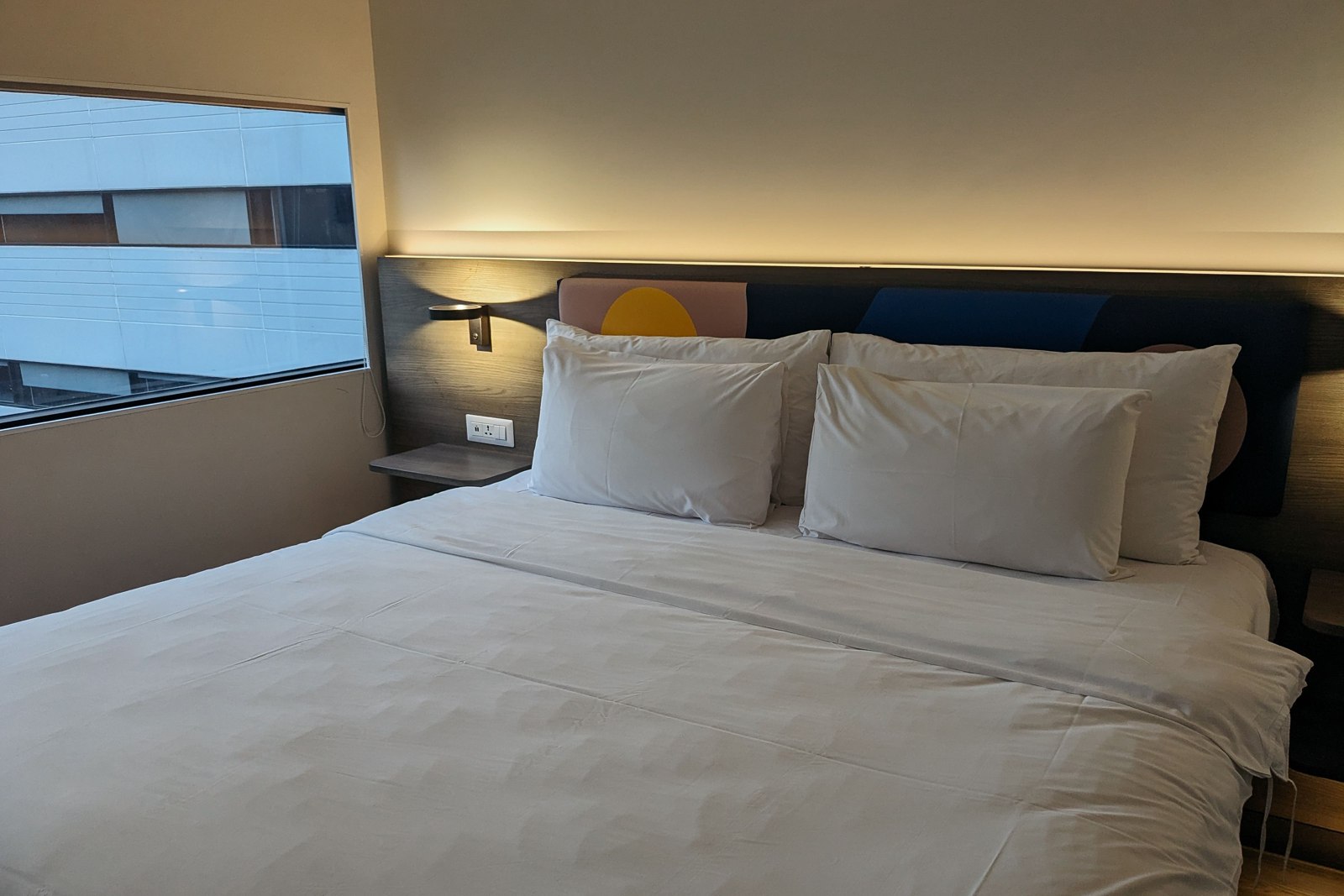
Preparing self check-in with a fallback plan
Self check-in can let you arrive without a personal key handover. For it to work, the address, access method and a reachable fallback need to be clear before the final journey to the property.
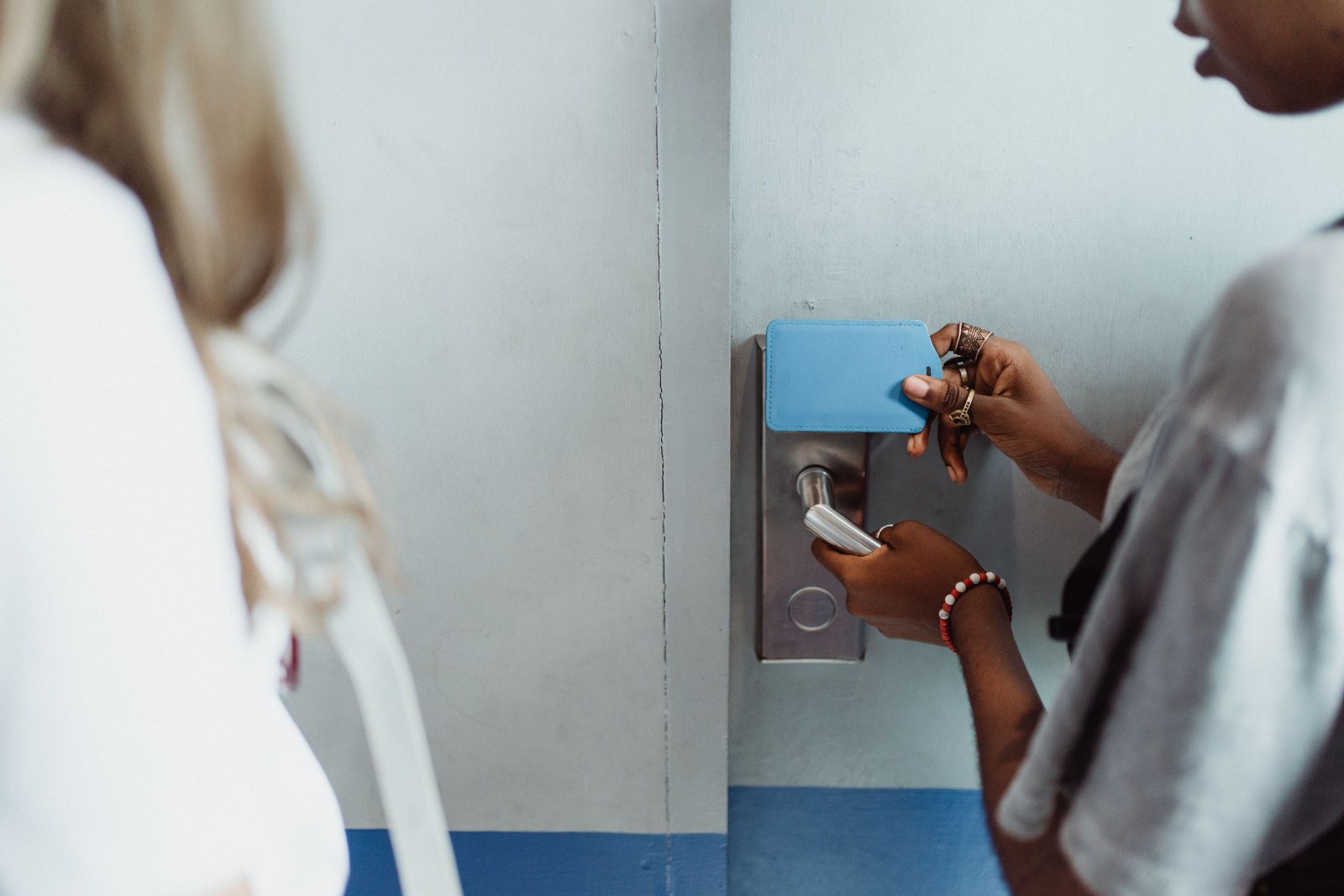
Confirm access and arrival time separately
A lockbox or electronic lock does not mean the room is ready at any hour. Confirm the agreed check-in time and whether earlier arrival is possible. Airbnb describes self check-in as independent access within the designated arrival arrangements. The actual conditions of your booking remain decisive.
Read all instructions before setting off. Check the street number, entrance, floor and name on the bell or door. Some buildings require several stages: the main entrance, courtyard and apartment may each involve different steps. A message containing only one code may not be enough. Ask specific questions about unclear details through the established booking channel.
Reach instructions without reception
Save permitted arrival information so that it remains available without mobile coverage. Protect access codes and share them only with authorised companions. Check that any instructional photographs are downloaded too. A saved message containing empty image boxes may be of little use outside an unfamiliar building.
Charge your phone before the final leg and establish whether opening the door requires an app, internet access or a particular account. An ordinary keypad and an app-controlled lock have different requirements. If another authorised traveller is with you, they may also retain the necessary information where the access arrangements permit it.
Read the saved instructions once in airplane mode without operating any real lock. Are the address, pictures and contact details visible? If an app still requires a connection, you can identify that difference now. Do not store access details in a public note or openly shared calendar. When travellers arrive separately, establish who enters first and whether other authorised guests may enter independently. One digital key permission is not automatically transferable to everyone in the group, even when the room booking includes them.
Have a specific fallback
Record a reachable contact for arrival problems. Ask what happens if the code fails or your phone has no power. A genuine fallback identifies a responsible person or an arranged alternative key handover. Hoping that somebody in the building will happen to help is not a dependable plan.
If access fails, do not manipulate locks or use unrelated entrances. First recheck the address, activation time and supplied steps. Then contact the responsible party and explain precisely which door or stage is causing difficulty. Identify a safe, accessible waiting option nearby, especially for late arrival. A café may help, but it is not automatically open at night.
Once inside, check how to close the door correctly from within and when leaving. Establish departure arrangements too. Returning a key or losing code access can make coming back impossible. That information belongs before your final trip outside with the luggage, not afterwards.