Potsdam: planning parks without an overloaded day
Potsdam’s parks are not merely short links between palaces. Separating walking time, admission slots and rest makes a less crowded day possible.
Make one park the main destination
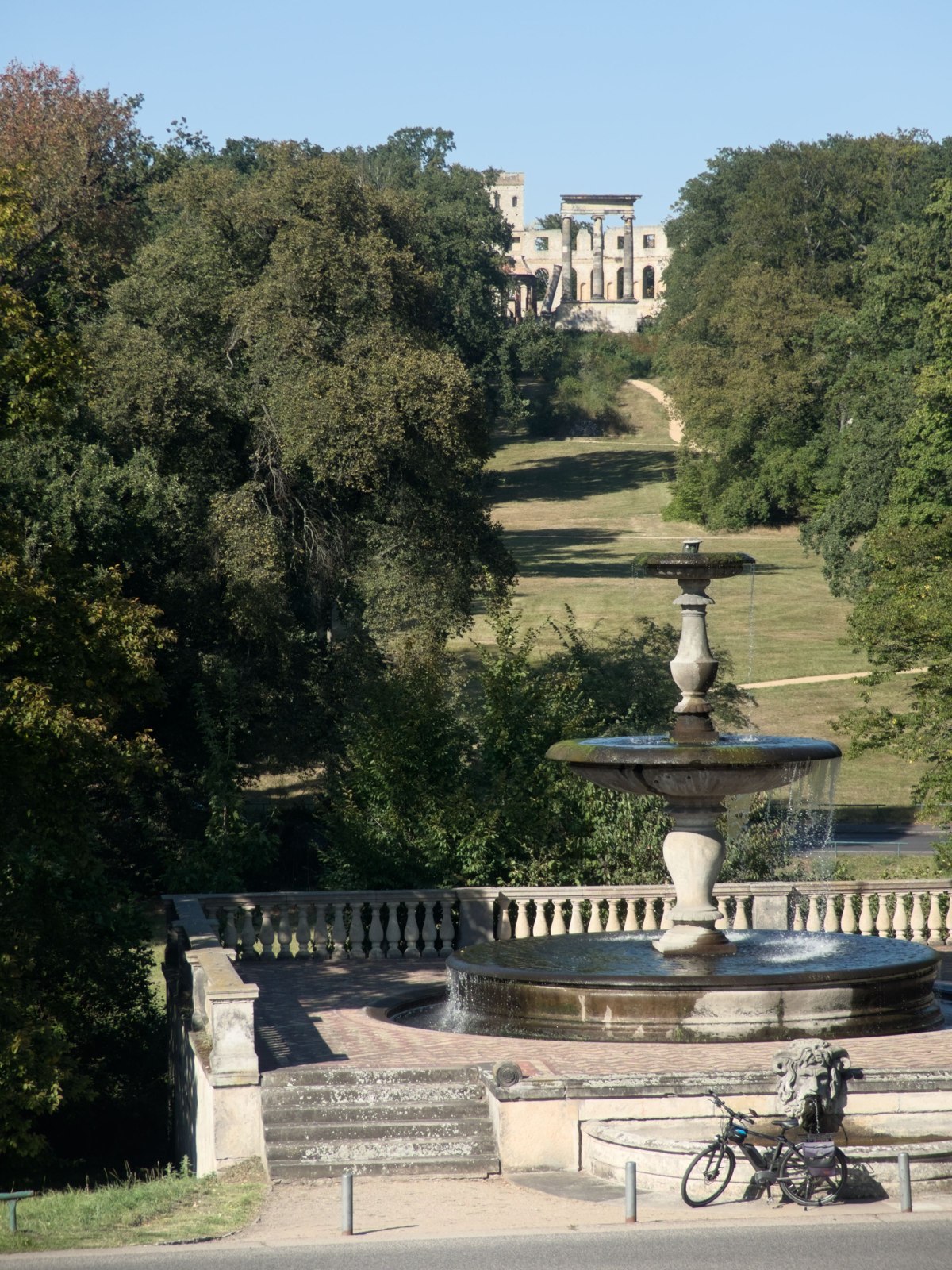
Sanssouci is a common first focus. Its scale means that a list of several buildings should not be treated like a circuit through a small museum. Choose either a park day with selected exterior views or a day built around one particular palace visit. Both can work, but they establish different priorities.
Other Potsdam parks should not automatically be added. Moving locations requires travel, orientation and another starting point. With only one day, spending meaningful time in a single park can offer more than briefly arriving at three different places. Write down which landscape or building is the actual reason for your trip.
Set admission times before arranging walks
For Sanssouci Palace, the foundation describes fixed entry times with the relevant tickets. Choose the intended visit, then arrange the journey to the correct entrance. A time printed on a ticket is not a suggestion for when to enter the park. There may still be a walk between the transport stop, park entrance and palace.
Read the ticket’s scope too. Admission to several buildings does not mean you can comfortably visit all of them in one day. Check actual opening arrangements and any additional reservations. A combined ticket provides access options rather than a ready-made itinerary.
Read the park as a route with a beginning and end
Mark your arrival point, reserved visit and intended exit. On a longer walk towards the New Palace, leaving from a different point may make more sense than returning to the original stop. Check the onward connection afterwards.
Straight paths on a park map look straightforward. In practice, turns, breaks and extra walking around a building add distance. If a companion wants a shorter walk, agree a compact core route. An optional extension can then be taken separately, provided there is a precise meeting point.
Pay attention to rules for paths, lawns and belongings. Extensive green space is not automatically available everywhere for every recreational use. Foundation guidance and signs on site take precedence over a route you have assembled yourself.
Resolve food and weather before they become problems
A longer park walk needs a realistic break. Decide whether you want to use a food outlet or bring something, checking the relevant rules. A tightly scheduled meal between two admission times can become the most hurried part of the day.
In rain, a palace interior may become more appealing, but availability is not guaranteed. Equally, heat is a reason to reconsider a long exposed walk rather than continue unchanged. Adapt the route to conditions and stamina. Omitting a section is sensible if the alternative is spending the final hours only wishing to leave.
Add the centre only if time remains
A final walk in central Potsdam may fit when the park visit ends early. Treat it as an extra possibility. If returning to Berlin or catching a long-distance train, establish the actual departure point and luggage arrangements first.
Other parks or additional interiors can remain for another visit. That does not make the first day incomplete; it separates different experiences sensibly. Afterwards, note which part deserved more time. That observation produces a better future itinerary than simply counting how many buildings you reached.