Planning a photography city break with light luggage
A photography city break with light luggage begins with a choice: which pictures interest you, and what equipment genuinely helps create them? Every technical possibility need not come along.
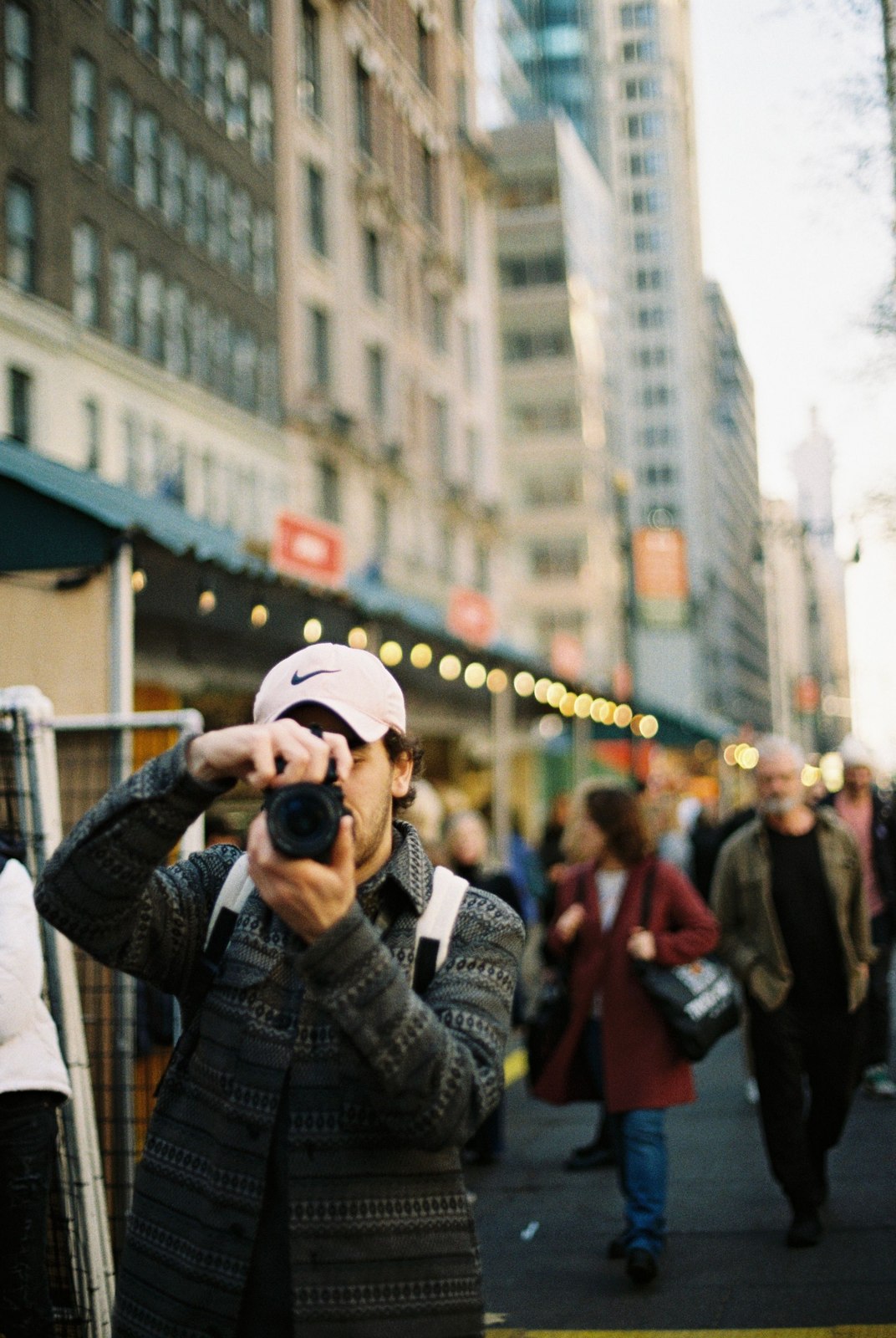
Choose a visual interest for the day
Select a few themes, perhaps architectural details, street scenes without identifiable people or light along a river. This allows the route to concentrate on suitable areas. A general ambition to photograph the entire city can instead create long journeys and constant equipment changes. Your selection can develop while walking without becoming a complete catalogue.
Check access and photography rules for interiors, museums and viewpoints. Admission does not automatically permit tripods, flash or commercial photography. Ask the operator if uncertain. Photographs of people and restricted areas also require respect for applicable local rules and privacy. Avoid extending assumptions from a visit to another city.
Choose equipment around real actions
Set out the camera or phone you will use and the accessories genuinely needed. One frequently used lens may be enough for a walk. An additional lens should have a defined task rather than cover a merely theoretical possibility. Compare its benefit against weight, changing effort and space in the bag.
Check power and storage before leaving. A charged battery and sufficient usable memory prevent the first stop becoming a technical housekeeping session. Keep spares organised and protected. A small selection of suitable components is easier to monitor than a large bag containing similar cards and batteries of uncertain charge.
Plan light and the return journey together
If a particular lighting period matters, check the conditions for the actual date and place. An early start or late finish affects breakfast, transport and accommodation access. An attractive viewpoint is unsuitable if permitted access is closed then. Identify a reachable alternative rather than entering restricted areas.
Leave time to observe instead of filling every minute with another location. A quiet period in one place may provide more useful situations than several hurried stops. Remain aware of normal traffic and other uses of public space. Adjust the camera from a position where you neither obstruct others nor put yourself at risk.
Do more than collect files
Review a small selection in the evening and back up important files using an arrangement suited to your devices. Confirm that a transfer has completed before deleting anything. Cloud synchronisation may use mobile data; a transfer that has merely started is not a verified backup. Keep account details protected.
Note which equipment stayed unused and which particular function was missing. A missed picture is not automatically solved by another lens; sometimes timing or access was decisive. The next kit can become more precise without growing continually. The city remains somewhere to experience rather than a sequence of technical tasks to complete.
A brief evening routine can be enough: inspect a few important pictures for obvious technical problems, mark images you want to revisit and back up the collection through your chosen process. Complete editing of every file can wait until after the trip. The backup then remains a manageable task rather than becoming another full working evening.
If you use several storage cards, identify their status clearly. A full card should not accidentally return to the kit as an empty spare. Leave enough available capacity for the following day and avoid hurried deletion based only on tiny previews. Deliberate organisation saves more later work than a confusing pile of similar cards.