Planning your first solo city break
A first independently planned solo city break does not need a packed programme. A manageable arrival and a few deliberate activities leave room to discover your own pace.
Choose a manageable first journey
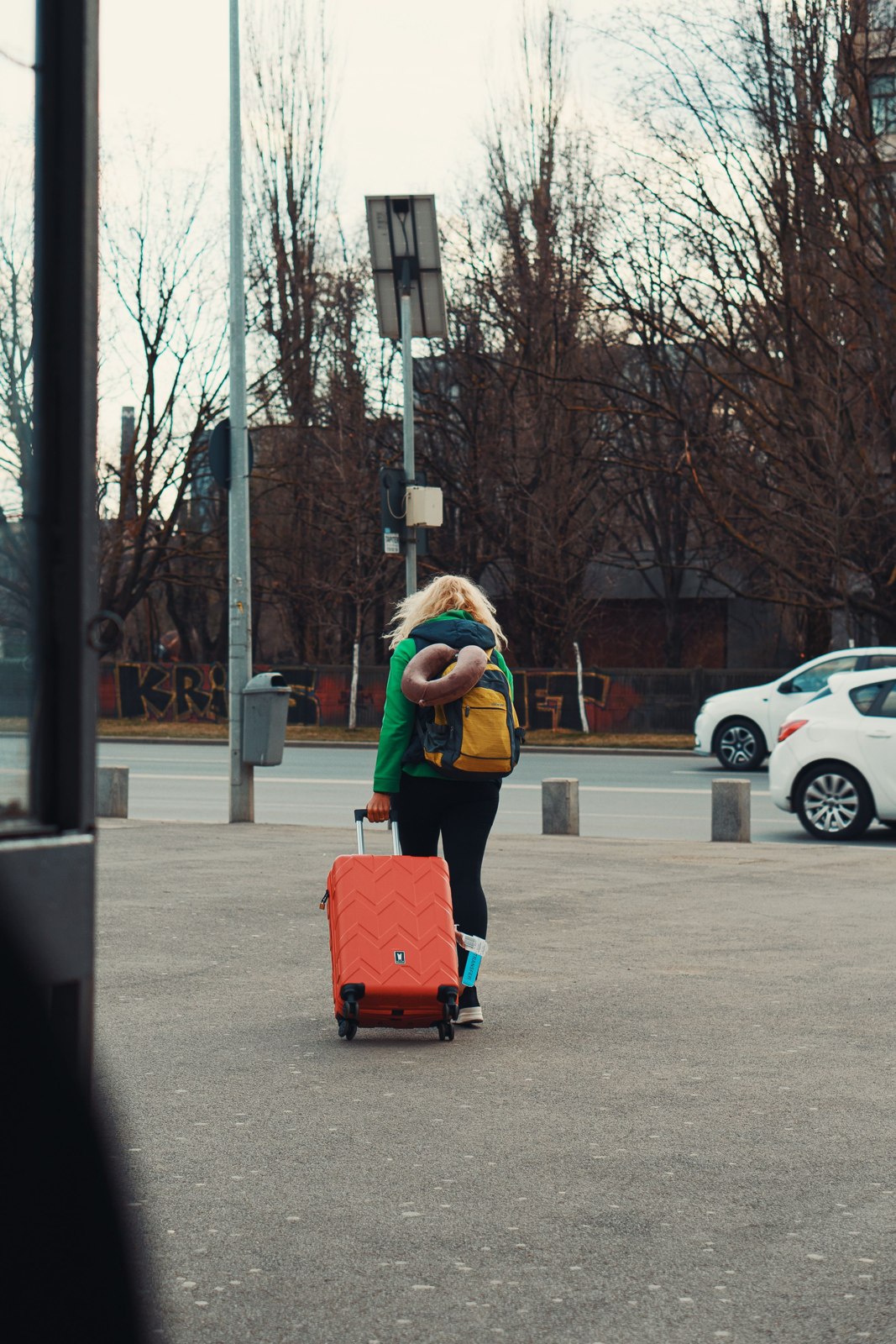
Start with a trip whose arrival you can clearly understand. A direct connection and accommodation with clear access instructions reduce the number of unresolved questions at once. The destination need not be particularly close or familiar. What matters is understanding the steps between arrival point and room, and knowing how to check them if something changes.
Keep the first evening lighter than a full holiday day. After travelling, a short orientation walk, a meal and the return to your accommodation may be enough. A fixed booking immediately after scheduled arrival makes every delay unnecessarily consequential. If one special visit is the main reason for travelling, give it a separate, dependable time window.
Create a base for independent decisions
Choose the accommodation location around the journeys you will actually make. Check evening connections rather than straight-line distance alone. Clear entry instructions and a reachable contact may matter more on a first stay than extra amenities. Read recurring specific details in reviews without turning one person's experience into a general guarantee.
Save the address, booking details and necessary travel documents so a temporary lack of internet does not stop everything. If you wish, share your broad plan with somebody you trust and agree a suitable contact routine rather than creating an undefined expectation of constant messages. You do not need to publish personal location information to do this.
Shape time alone deliberately
Choose one important anchor for each day and leave open time around it. If you enjoy lingering in an exhibition, avoid a subsequent appointment that forces an early departure. If many impressions become tiring, allow a quiet break. Travelling solo does not mean spending every hour alone: an official guided visit or a booked class can provide a limited period of shared activity.
Meals can take different forms too. A straightforward café, market visit or reserved restaurant may suit different interests. Check opening hours and the way back rather than relying on an abstract idea of how a solo traveller ought to eat. A book or small notebook may be pleasant, but it is not obligatory equipment for every table.
A manageable first Saturday might begin with breakfast you choose, continue with a checked museum visit and remain open afterwards. If the visit runs long, an optional walk disappears. If it is shorter, you can explore a nearby neighbourhood. Both versions are complete because the day does not become successful only after reaching a certain number of places.
Give yourself a simple review point too, such as deciding after lunch whether another activity sounds enjoyable. You then need not treat every small adjustment as a major itinerary change. A broad framework containing a few conscious decisions can provide more orientation on a first trip than a minute-by-minute schedule.
Make changes without treating them as failure
If an activity is not enjoyable, you can change the plan while respecting booking conditions and return arrangements. An open afternoon is not a failed travel day. Avoid constantly comparing your schedule with other people's crowded photo collections. The useful question is whether the next step suits your interest, energy and actual options.
Keep official contacts for accommodation and transport available. If uncertain, pause somewhere appropriate and public to check rather than accepting unexpected offers under pressure. Maintain personal boundaries as clearly as you would at home. The itinerary should offer orientation without implying that every possible situation can be controlled in advance.
Review the format afterwards
Record two or three observations: what length of day felt comfortable, when a fixed appointment helped and which arrival detail was missing. Those notes can shape the next trip more precisely. You may prefer another single night or a longer stay later. The first journey need not be an examination passed by completing the greatest possible number of activities.