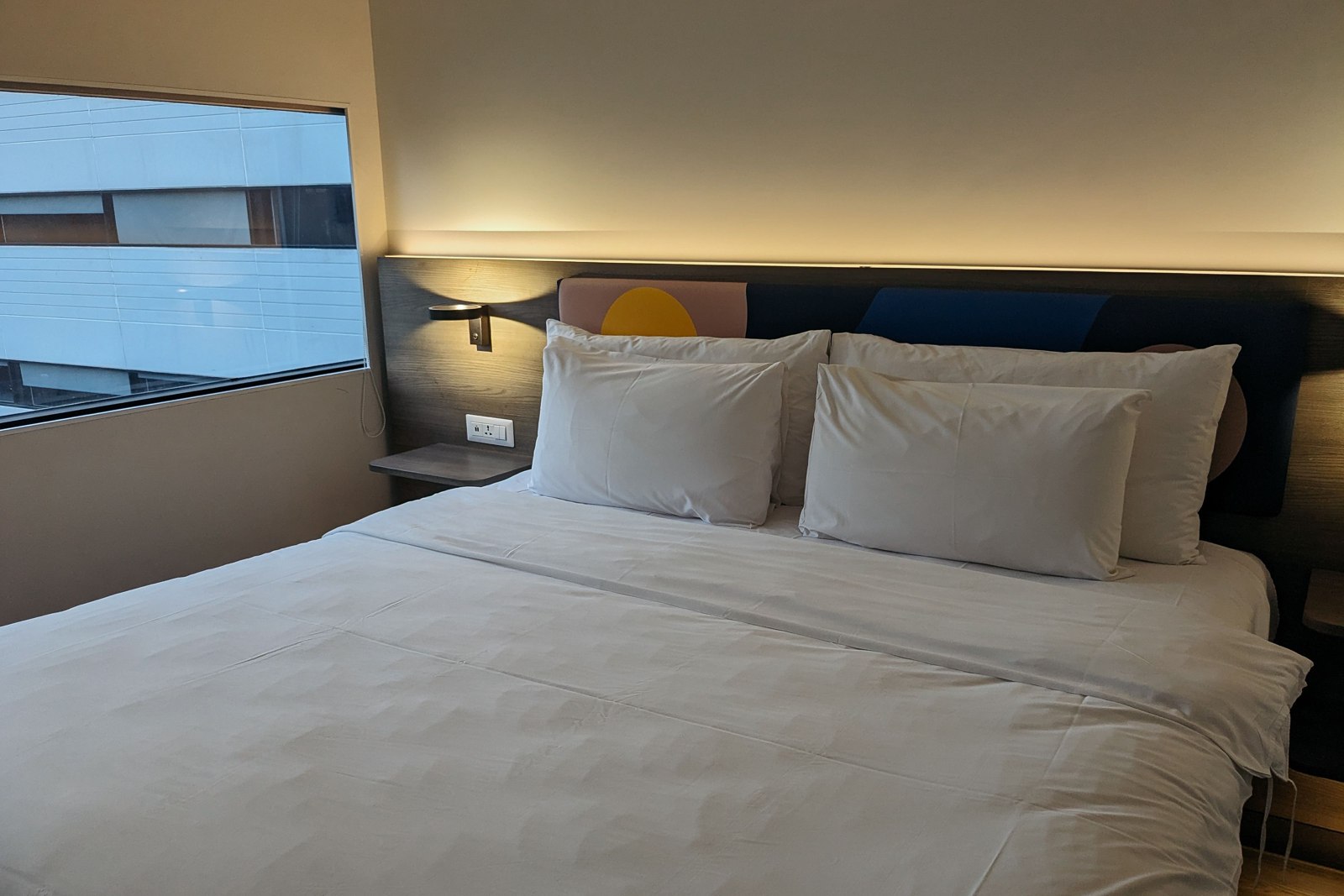
Making a specific request for a quieter room
A quieter room means different things to different guests. Naming the noise that matters to you gives a property a more useful request than asking for quiet in general.
Identify the source that concerns you
Think about the sound most likely to affect your stay. Traffic outside, conversations in a corridor and an event room in the building are different situations. Someone going to bed early has different requirements from a guest sleeping into the morning after a late return. State the most important need instead of sending a long list of preferences with no order of priority.
A message might say that you expect to sleep early and would prefer a room without windows facing the main road. Another might request distance from the lift because frequent corridor movement is disturbing. These descriptions give staff something concrete to consider. Asking for the quietest room is harder to interpret, especially when occupancy and activity around the building change during a stay.
Consider position and facilities together
A courtyard-facing room may be useful, but the label is not a universal promise of silence. Find out what occupies the courtyard: a terrace, equipment or a delivery entrance, for example. Ask about this particular building rather than treating a direction or the word courtyard as a reliable quality guarantee. A higher floor does not automatically solve every noise issue either.
Windows and ventilation belong in the same decision. If you want to sleep with a window open, outside noise takes on greater importance. If you prefer to keep it closed, temperature control becomes relevant. Ask the property to describe the available arrangements. Confirmation of a particular feature is more useful than a broad statement about comfort that leaves the actual sleeping conditions unclear.
Rank your requirements when several matter. Step-free access or a particular bed arrangement may be essential, while a position at the end of the corridor is only a preference. Making that distinction helps staff avoid satisfying a secondary wish while overlooking a necessary feature. Ask for explicit confirmation of anything on which your ability to use the room depends.
Distinguish a request from a confirmed feature
Read the reply carefully. A note saying your preference has been recorded is different from confirmation of a room category with clearly described characteristics. Follow up if the position is decisive for your booking. Also establish whether meeting the request requires another category and whether its price and remaining features still suit the trip.
On arrival, you can politely check whether the recorded request influenced the room allocation. If an obvious issue appears, describe it early and specifically. Mention the audible equipment or the position beside a busy room, for example. An observable detail is more useful when discussing a possible solution than a general judgement about the entire property. A room request cannot create a guarantee of complete silence.