Leipzig: planning cultural stops with room for breaks
Leipzig’s music history, passages and museums are often close together. Short distances make the walking easier, but they do not remove the need for breaks between concentrated visits.
Choose a cultural emphasis
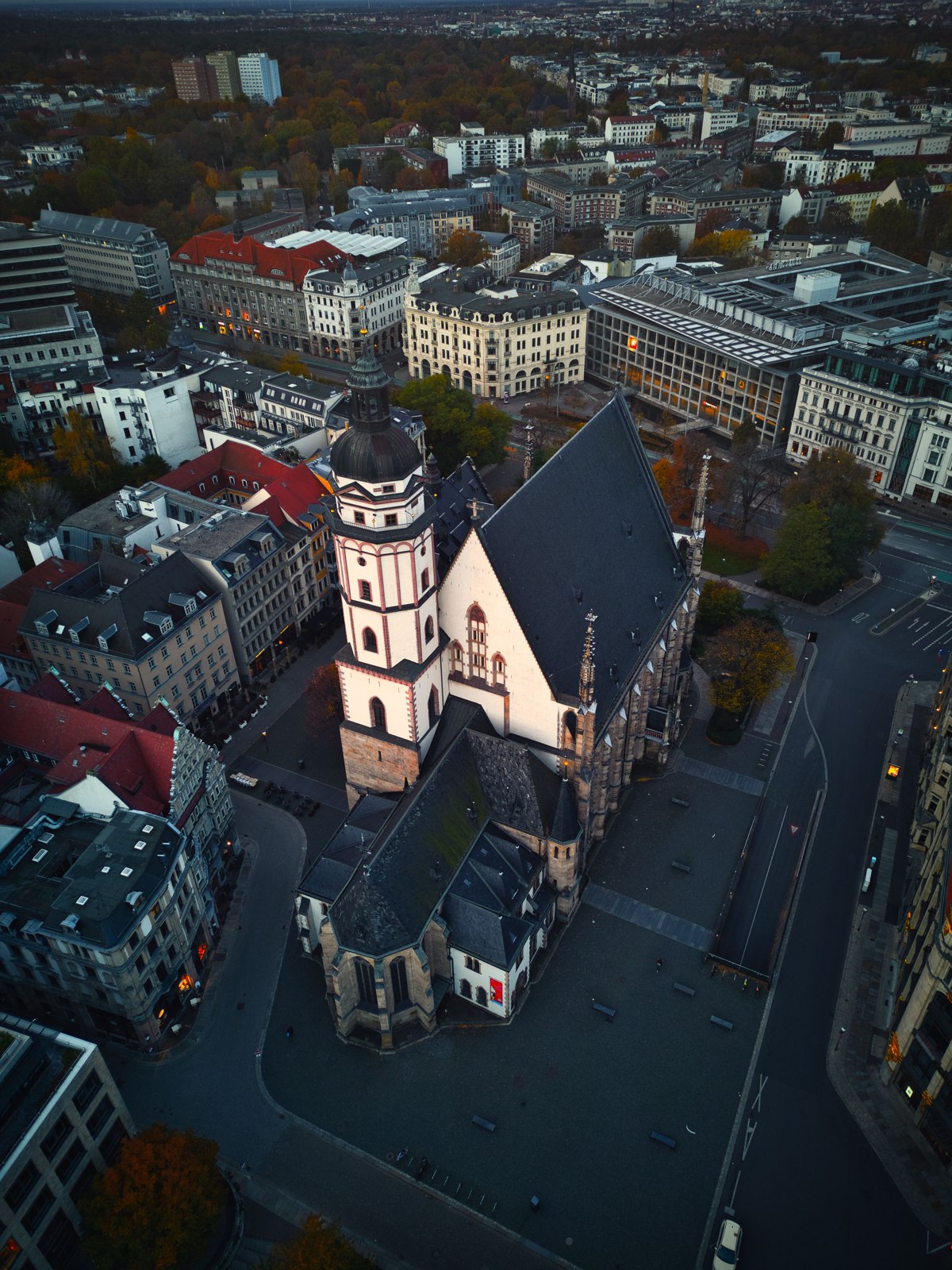
Decide whether music history, visual art or the city itself will shape the visit. If music matters most, make a relevant collection or concert the fixed centre of the trip, then add the surrounding walks. Two consecutive interior visits do not necessarily work well merely because their entrances are close together.
The Leipzig Music Trail connects musical locations in the centre. Use it for orientation without feeling obliged to complete every stop. Select the places connected with your interests and spend longer reading or listening there. Completing the entire circuit should not become an additional duty after a substantial museum visit.
Make the passages part of the journey
Around the market square and central streets, passages and courtyards can make the route between destinations interesting. The Mädler-Passage is a recognisable reference point, while other courtyards show that this architecture is a wider city theme. Allow for stopping to look. A short passage on the map may take longer than an ordinary stretch of street.
A route from the market to a selected musical location and later to Augustusplatz can include a meal break. Do not wait until everyone is tired before taking it. Before an evening concert, an open period in the afternoon is especially useful. It leaves time to return to your accommodation and set out again without carrying the whole day’s belongings.
Separate bookings from open hours
Book genuinely time-bound events first. A selection of possibilities is enough for the remaining hours. Check the actual museum opening day and any particular admission arrangements. A closed venue is easier to replace when the entire day does not depend on entering it.
Travelling companions can also spend one section separately. One person might remain in an exhibition while another takes a nearby walk. Agree a precise meeting point and time instead of relying on repeated short messages.
Before the train home, a final brief central walk may be enough. Keep an idea for a return visit rather than starting another major cultural activity immediately before departure. This helps the concert, museum and city walk remain distinct experiences even when they happen within a compact area.