Including rain in a travel plan
Rain need not prevent a city visit entirely. A useful plan distinguishes ordinary rainfall from awkward journeys and conditions requiring a change of activity.
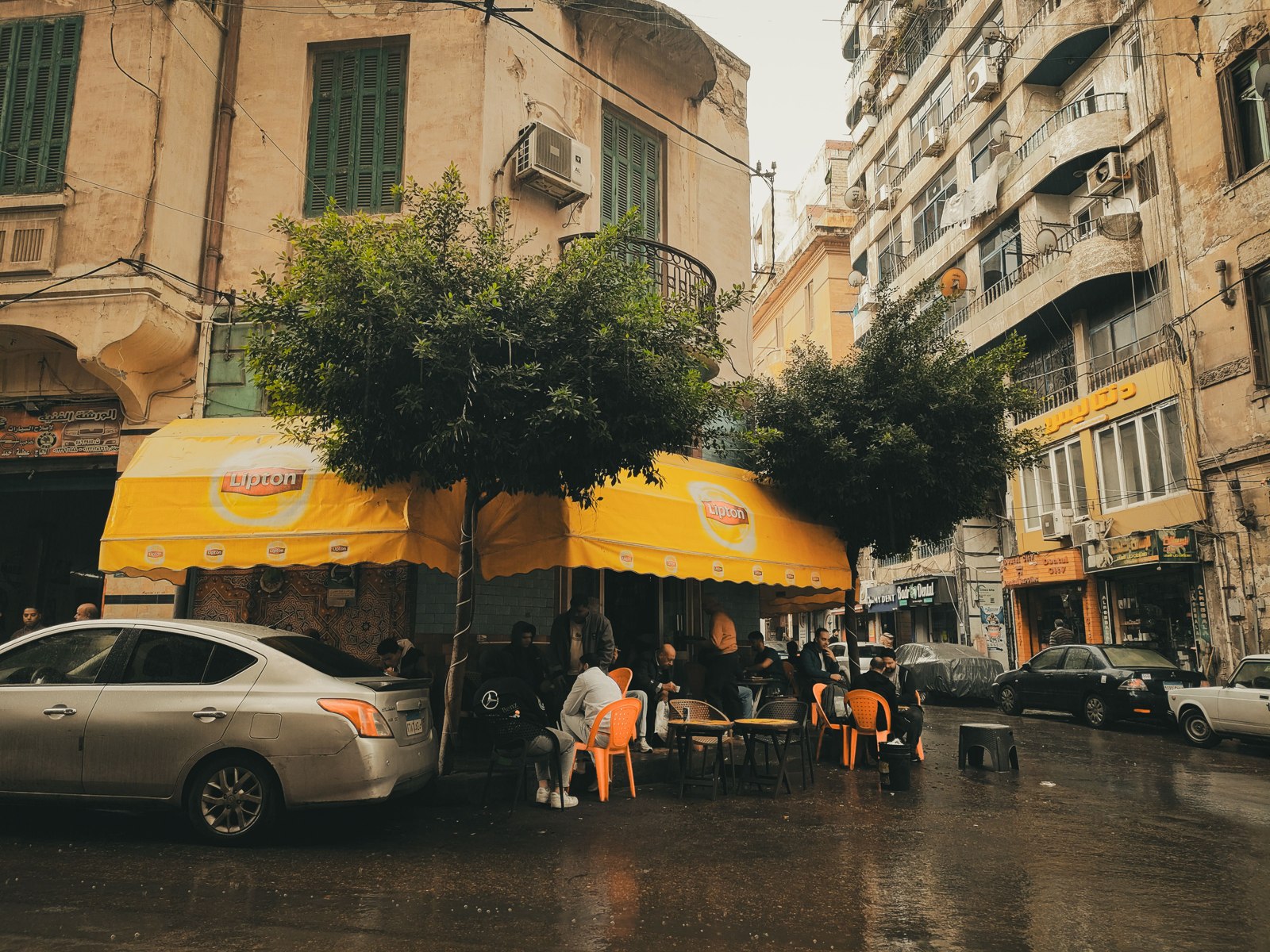
A wet-weather version needs its own routes
Choose indoor destinations within sensible reach of one another. Three museums linked by long exposed walks do not yet make an easy rainy day. Check stops, entrances and the route from your accommodation. A venue with straightforward access may suit the day better than a theoretically more attractive place requiring another long walk.
Read hours and booking conditions for the actual date. Other visitors may have the same idea in bad weather. Your spontaneous alternative should not consist solely of a sold-out major museum. A smaller exhibition, a publicly accessible library or a longer café visit may work locally, but each must genuinely be open and suitable for the intended use.
Check whether the alternative sensibly fills the available period. A small brief exhibition does not automatically replace a long planned outing. A meal or quiet break afterwards may be appropriate without adding another attraction. Conversely, a large venue may comfortably occupy the afternoon. Match the alternative to the available time and interests instead of selecting the first covered place on a map. This makes the wet-weather plan a coherent day rather than a collection of disconnected emergency stops.
Include wet equipment in the routine
Decide where the umbrella and jacket go during a visit. Cloakrooms have their own rules and do not necessarily accept every wet item. Protect sensitive belongings appropriately and avoid placing damp clothing directly beside documents. An additional cover provides temporary separation, not a drying system.
Arrange outdoor sections so you can reach suitable dry spaces between them. A whole day in wet shoes may affect the rest of the stay even when every individual walk seems short. Check what can dry at the accommodation and adjust the itinerary if equipment is no longer usable in a suitable condition.
Warnings take priority over the list
A rain symbol in a general forecast differs from an official severe-weather warning. Check current local advice, such as the German Weather Service for Germany. Dangerous conditions require a different day; an umbrella or waterproof jacket does not automatically make exposed routes appropriate.
Leave part of the day open instead of assigning every dry interval a fixed appointment. Short walks can then happen when conditions suit them. Prepaid tickets are an organisational consideration, not a reason to ignore warnings. Ask the provider about changes or alternatives where relevant.
Record more than the name of an alternative venue: include its route and the decision needed. You might choose in the morning between a riverside walk and a nearby exhibition using current conditions. The rain plan then becomes usable rather than another long wish list.