Comparing family rooms and connecting doors
A family room and two connecting rooms solve different problems. Compare sleeping arrangements, evening use and movement between spaces for the people travelling with you.
Write down every sleeping place
List the sleeping place each person needs, including its type and position rather than only the total number of beds. A double bed with a sofa bed creates a different arrangement from two separate rooms. Ask what will actually be prepared for your party instead of inferring the furniture from a maximum occupancy figure in the listing.
Enter children's ages accurately because the offer may depend on them. Establish whether a cot or additional bed requires separate confirmation and whether a charge applies. A free-text requests box does not automatically reserve that equipment. When the sleeping arrangement is essential, obtain an explicit response rather than assuming that the property has interpreted the request as a confirmed requirement.
Define what connecting means
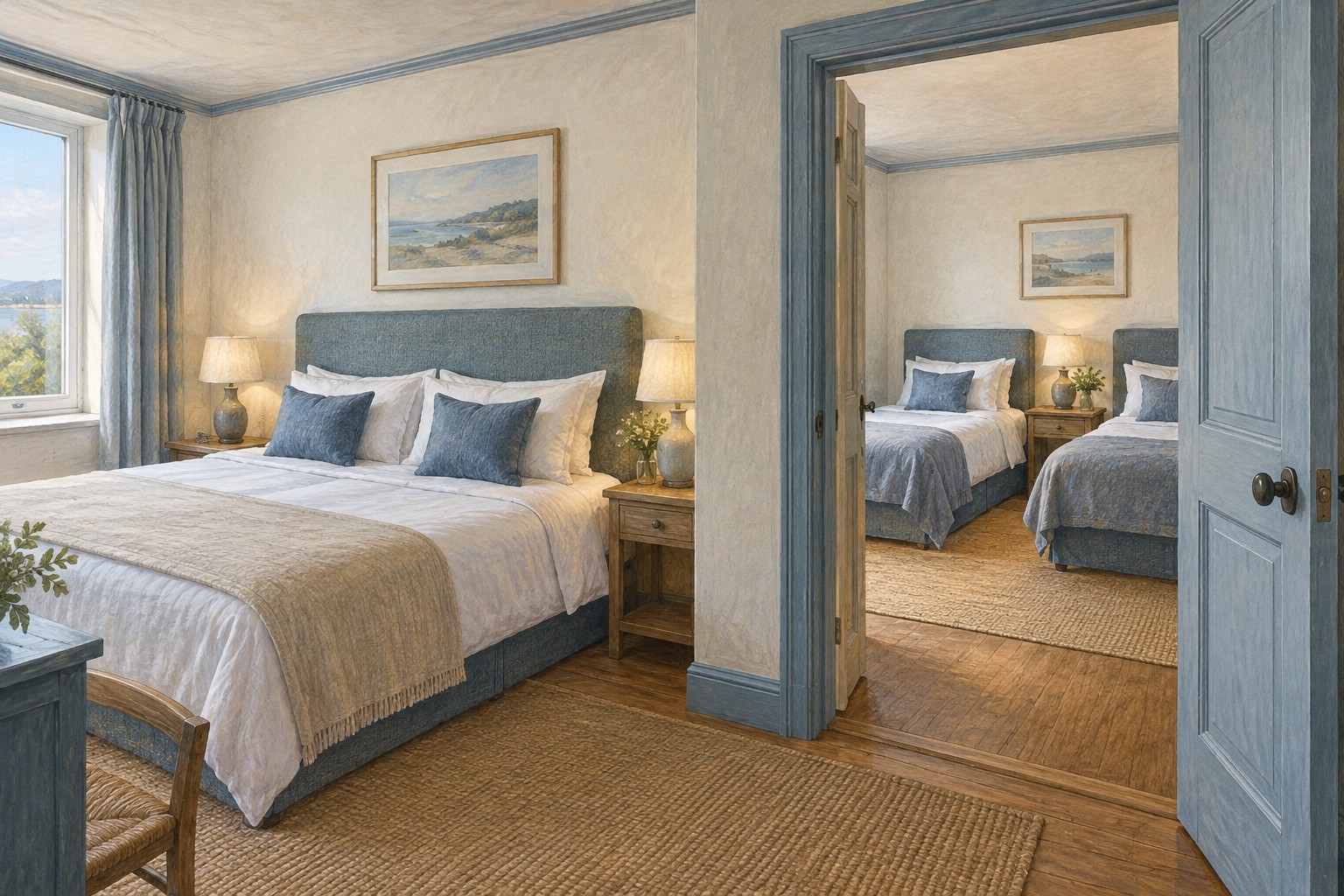
Two adjacent rooms are not the same as two rooms with an internal connecting door. Ask whether you can move between them without entering the public corridor. Obtain confirmation that the connection is guaranteed for the categories and dates you are booking. A preference for nearby rooms may influence allocation, but it does not describe a promised internal door.
Establish how the connection works. Can the sides be locked independently, and who receives which keys? Are the rooms linked within one reservation, or do two confirmations need to be associated? These questions concern the practical arrangement, not ways around house rules. Discuss the intended occupancy with the property and follow the conditions it confirms.
Bathrooms and entrances deserve attention as well. Two connected rooms may ease the morning routine if both provide the facilities you need. A larger family room may instead offer shorter routes and simpler shared use. What matters is who needs light, bathroom access or quiet at different times; the number of doors alone does not establish the benefit.
Imagine evening and morning use
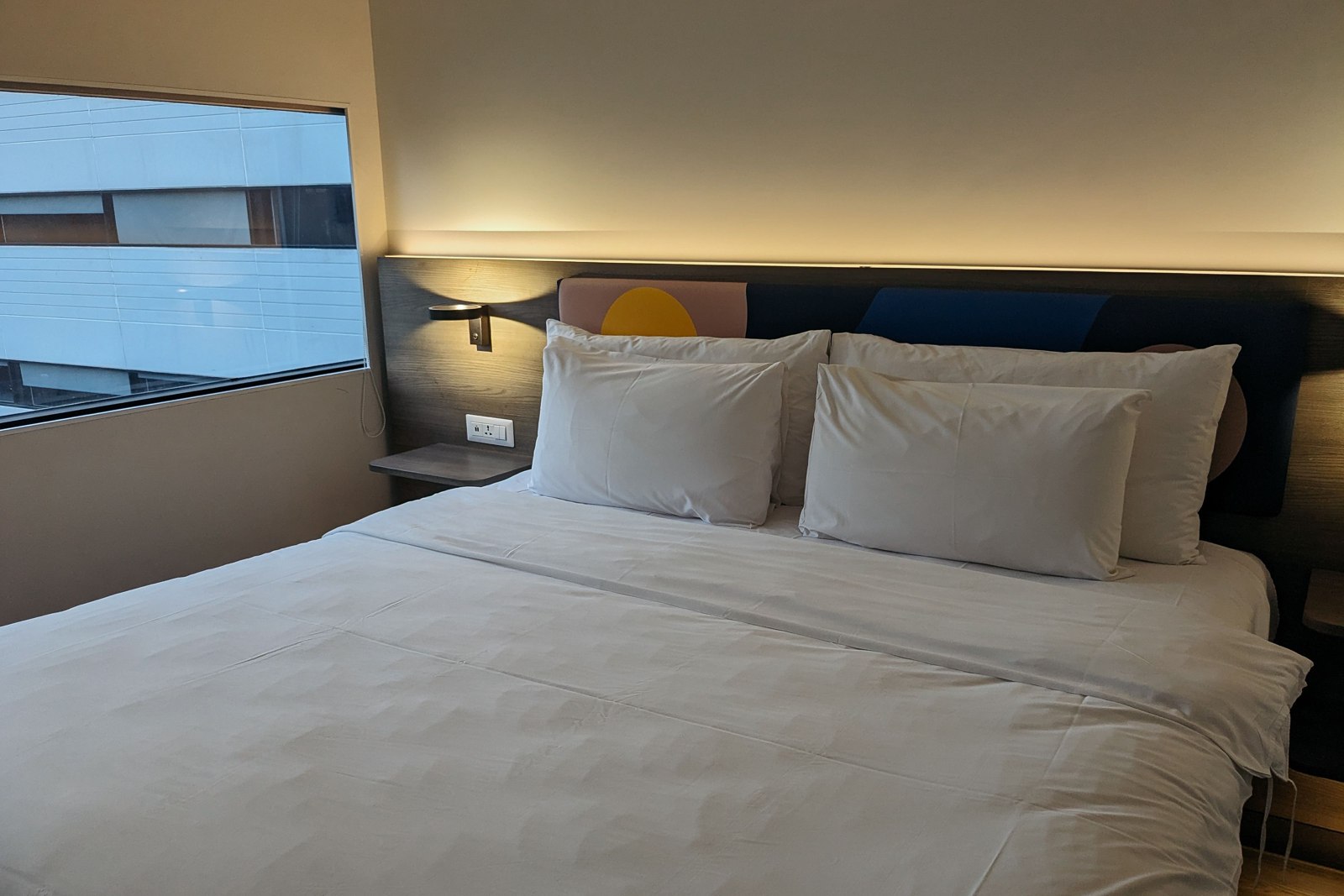
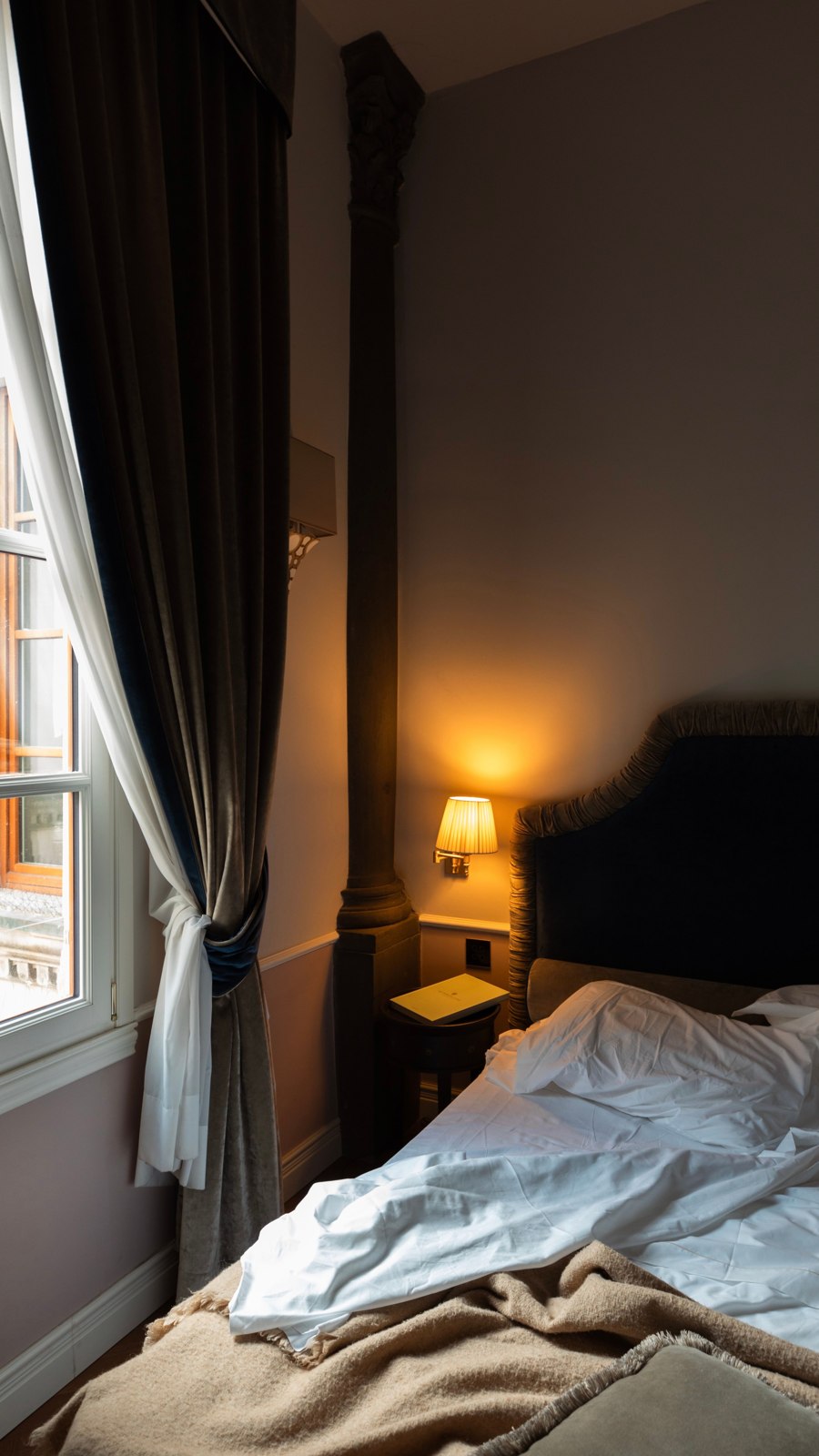
Picture the evening with all beds prepared. Where can anyone still awake sit? Does a trip to the bathroom require lighting the whole room? Could an unfolded sofa block the only table? A floor plan or photograph showing the sleeping arrangement is more informative for these questions than an image of the room tidied for daytime use.
Morning involves a different sequence: opening bags, changing clothes and getting ready together. A confined arrangement may be manageable for one night, while additional separation could matter more over several days. Assess that trade-off against your own habits rather than assuming one room format is universally more suitable for families or groups.
Check the complete price and confirmation
Compare the whole stay for the same party. With two rooms, breakfast, compulsory charges and added services may be displayed differently from a family package. Also establish how changes or cancellation of part of the booking would be handled. Two individual headline prices do not yet provide a complete comparison with a single inclusive offer.
Keep the confirmed arrangement with both category names if you book connecting rooms. When the reservation arrives, check that the essential connection appears in it or in a clearly linked written reply. A necessary door should not remain an open preference until arrival. If the property cannot confirm it, make your choice based on the features that are actually established.