Combining a short work trip with leisure time
A short work trip may leave room for a private city visit. To make both parts work, distinguish appointments, expenses and additional nights clearly.
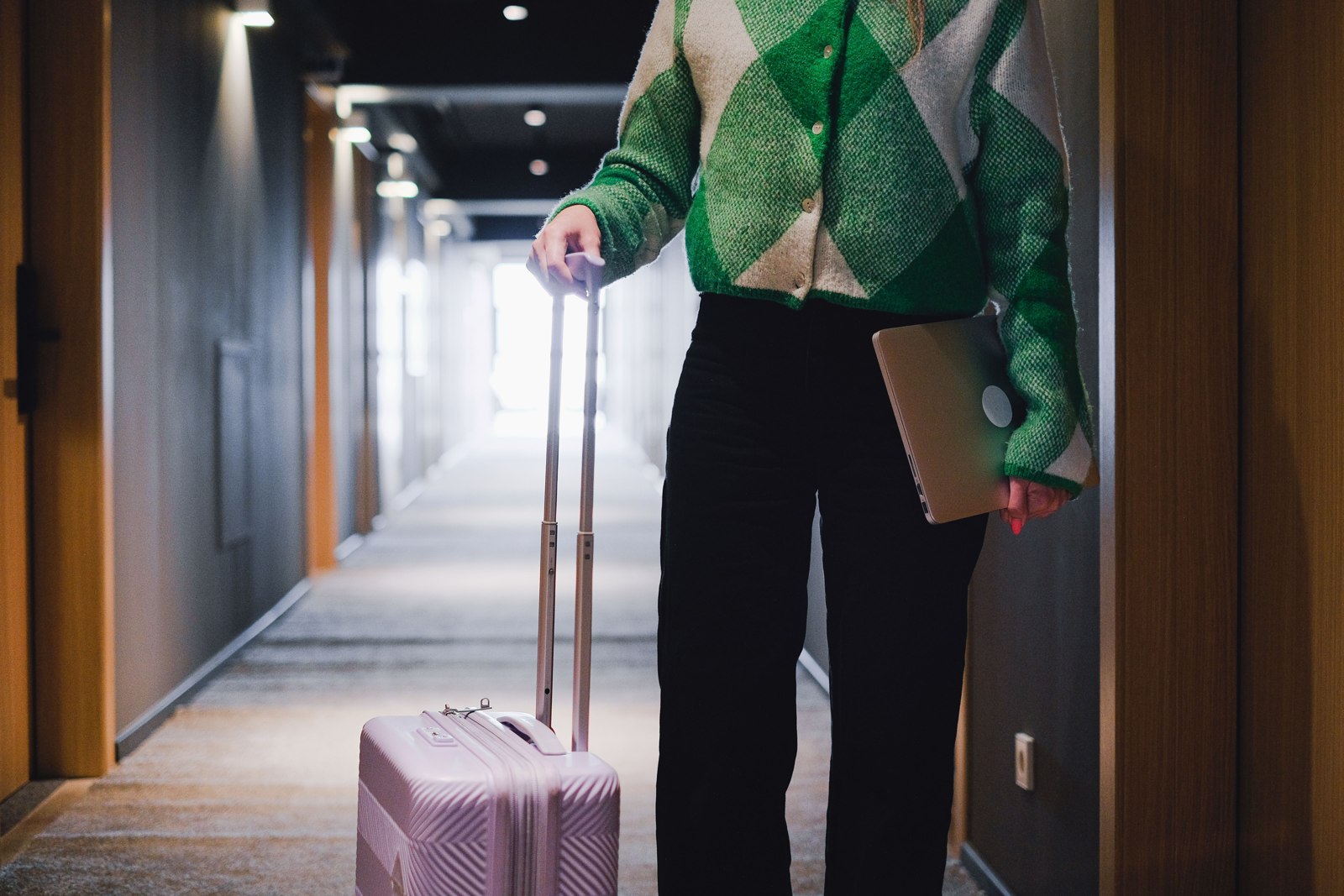
Establish the work requirements first
Check fixed appointments, the work location and when your required attendance ends. An advertised event finish does not always mean free time begins immediately. Travel, follow-up discussions and packing equipment may still be necessary. Book personal entry slots only once that framework is clear.
Ask your employer or client which changes to travel, accommodation or return arrangements are permitted and how additional costs are handled. Do not rely on a general impression of what a business trip includes. Tax, insurance and employment questions require the relevant advice; an itinerary cannot answer them universally.
Choose accommodation for both tasks
Staying near the work appointment may save time but be inconvenient for an extra leisure day. Compare extending the stay with moving. Relocation creates luggage and check-in work, while another night at the original property may add sightseeing travel. Decide using the actual hours involved rather than room price alone.
If you need to work in the room, check for a suitable workspace and the connection you require. A small decorative table is not automatically a usable desk. Your organisation's rules for confidential work still apply away from home. Brief use does not automatically make a café or public network an appropriate working environment.
Add a realistic leisure component
Choose a few nearby destinations for the free period. After a full working day, a meal and short walk may be more pleasant than another lengthy commitment. An additional free morning offers different options from one evening window. Check opening hours for that precise period instead of adopting a generic weekend programme.
Store work equipment and personal outing items appropriately. A full laptop backpack need not accompany every visit, but it needs suitable storage. Check its conditions and follow rules for organisational devices. Confidential papers should not remain loose in the room or publicly visible in a bag.
For one free evening, a neighbourhood near the accommodation may suit you better than the best-known attraction across town. Check the route after the work appointment and decide on a latest return if the next morning brings commitments. A personal visit should not depend on work certainly finishing early. If extra time appears, add a modest spontaneous option. The underlying plan must still work without that unpromised reserve, so a work delay does not automatically lose a paid leisure booking.
Keep records separable
Record private extra nights, meals and tickets separately where your expense process requires it. Clear allocation when paying saves reconstruction afterwards. Ask early which invoice or confirmation is needed for uncertain items. A mixed total is not automatically reimbursable in the form you expect.
Plan the return as carefully as the outward journey. A personal extension should not result in forgotten work equipment or papers. A brief final check of room, desk and chargers brings both parts of the stay together before you leave.