Bruges: comparing an overnight stay with a day trip
Whether Bruges works better as a day trip or an overnight stay depends on arrival, interior visits and evening plans. Distance alone does not decide.
Calculate the time you can actually use
Start with arrival at the station and the time you intend to leave it again. Subtract both journeys to and from the centre. Add luggage storage if needed, a meal and reaching the correct platform. The remaining interval is the basis for the city visit.
A day trip can suit walking historical streets and seeing a manageable waterside area. It becomes tighter when several museums, a tower ascent or a longer guided visit are added. Select those activities for your interests rather than because they frequently share an attraction list.
With an early arrival, check which interiors are open. An extra hour in the city is not automatically an extra museum hour. It can instead provide orientation, breakfast or an open-ended walk.
Understand what an overnight stay changes
A night in Bruges removes the evening return journey and a possible repeat arrival the next morning. You can arrange dinner and another walk without immediate train pressure. Staying overnight does not guarantee empty streets or particular lighting. The advantage is available time, not a promised exclusive experience.
The following morning can explore another section or revisit somewhere familiar. Photography does not require a completely new route; another time of day may be enough. Still check accommodation arrangements. Checkout and bag storage remain practical tasks.
Consider additional spending as a total. Beyond the room, breakfast, local charges or other explicitly listed services may matter. Compare that sum with the value of the extra hours. Very late check-in and an early onward departure may provide less benefit than expected.
Build a day route from the station
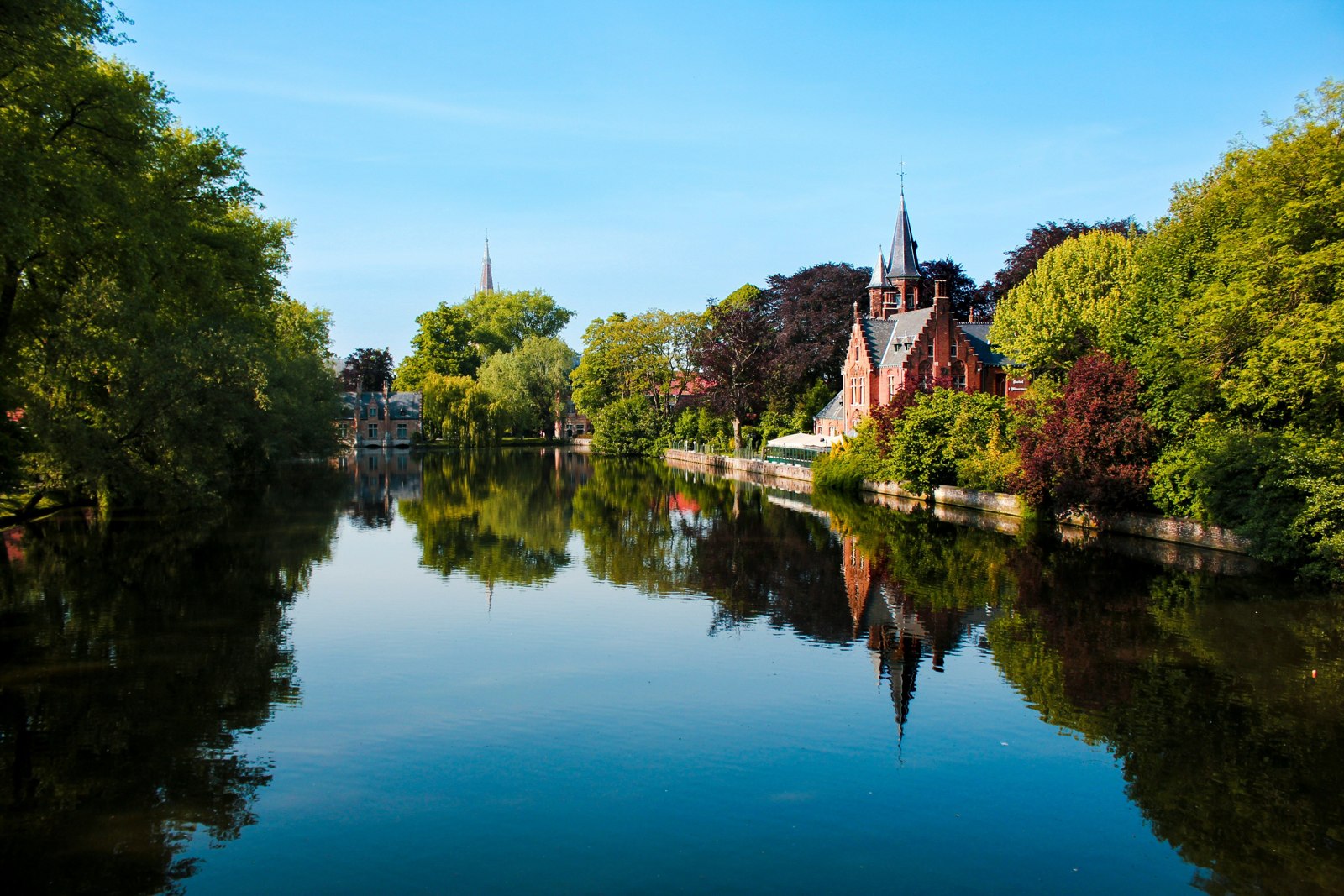
Choose a connected route towards the historical centre first. Depending on your interests, Minnewater, the area around the Beguinage, central squares and canals can receive different emphasis. The official city map helps with sequence and is more useful than an unordered photograph list.
If a museum is essential, its entrance and visit duration should shape the route. Arrange a meal in the area you are already exploring where possible. A restaurant across the city can consume much of the limited free time.
For restricted mobility, check surfaces, steps and suitable access to each destination. The historical surroundings are not equally easy everywhere. Visitor information also provides accessibility guidance; use the details for your individual situation.
Do not simply double the list for two days
A second day need not produce twice as many attractions. One day can focus on outdoor streets and the other on art or history, with room for food and rest between them. The extra night then genuinely eases the pace.
If Bruges belongs to a longer trip, compare changing accommodation with visiting from an existing base. Packing, checking out, travelling and checking in again are travel time too. A single night is most useful when you genuinely want the evening or morning there.
Decide using your two or three main wishes. If they fit comfortably into a day trip, an overnight stay is unnecessary. If evening and early morning are among those wishes, a night provides a specific benefit that another attraction alone cannot replace.