Amsterdam: matching neighbourhood walks to museum times
In Amsterdam, establish museum bookings before arranging neighbourhood walks. A visit with timed entry is not a stop that can be inserted whenever convenient.
Plan outward from the booked entrance
If the Rijksmuseum, Van Gogh Museum or Anne Frank House is a main priority, check the institution’s booking arrangements and available dates first. Build that day afterwards. A desired museum does not have to fit an hourly schedule invented before you checked admission.
Save the visitor entrance address and confirmation. Do not presume that every ticket format works as a screenshot; read the provider’s instructions. Check bag storage requirements and permitted sizes too, particularly if coming directly after arrival.
Allow enough time before entry for busy streets and orientation. The period afterwards can remain open. An exhibition may hold your attention longer than expected even when the outdoor distances appear short.
Do not merge Museumplein and Jordaan into one small area
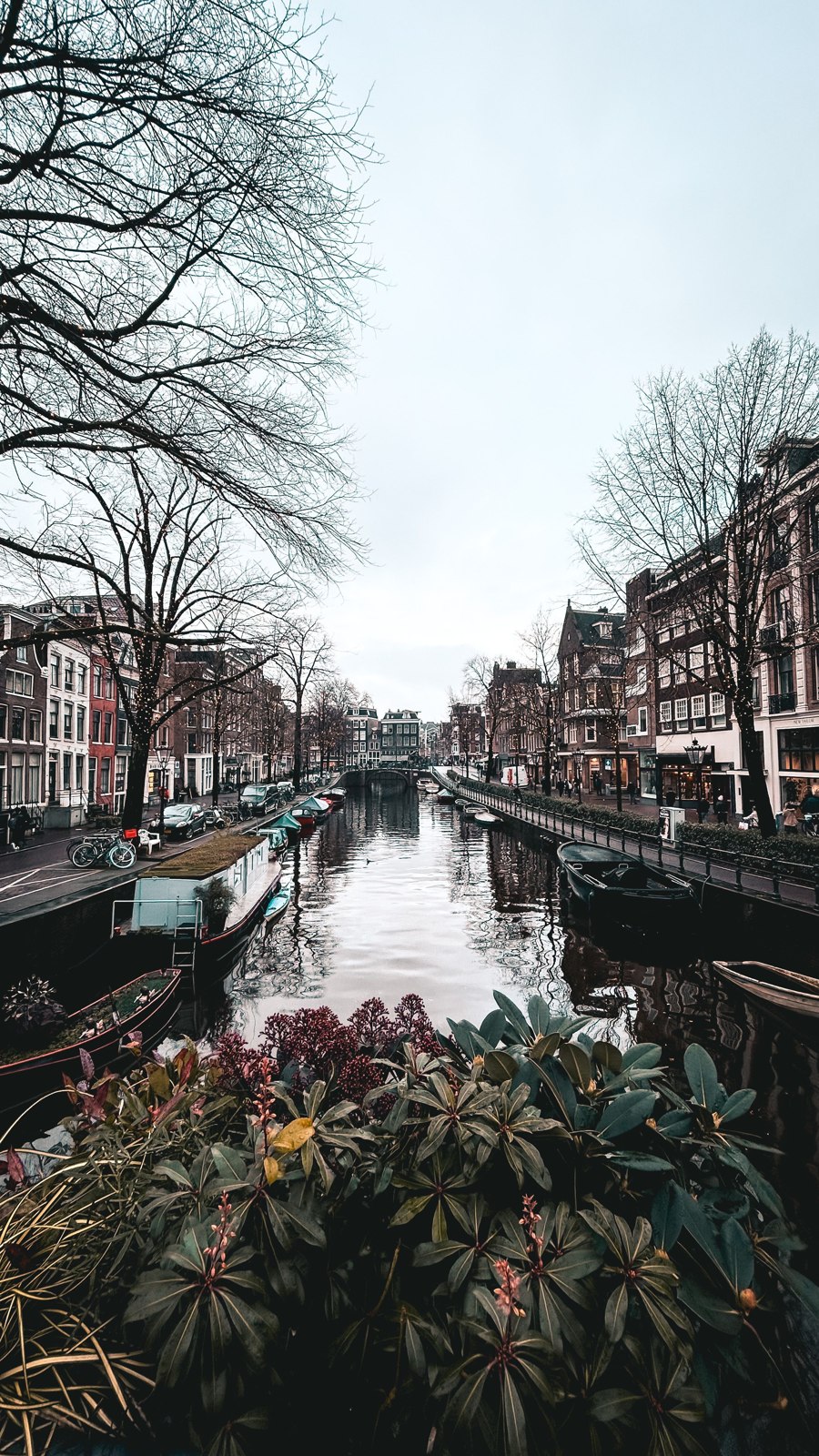
The museums around Museumplein and the streets of the Jordaan are separate focuses. Visiting both on one day requires a deliberate transition. The Jordaan suits time when canals, smaller streets and a meal are the programme themselves.
A museum day can therefore remain around Museumplein with a quieter open period nearby. Another day can belong to the western canal area and Jordaan. Treat the Anne Frank House as a separate reserved appointment there rather than a spontaneous addition to any walk.
Compare routes using a map and your actual transport method. Streets with cycling traffic require attention even when you mainly walk. Stop outside traffic routes for photographs and navigation. An attractive waterfront is also ordinary working city space.
Give two walks different purposes
After a Museumplein visit, a selected part of Vondelpark can provide the open-ended portion of the day. There is no need to walk around the entire park. First decide whether you mainly want to sit, eat or keep moving, then choose an exit that serves the journey back. The park can then complement the concentration required inside a museum.
For the Jordaan, a different walk can develop between the Westerkerk area and Noordermarkt. This is a separate focus from the museum group south of the centre. Use canals and connecting streets for orientation, checking how a diversion returns to your chosen outline. Include a market only when its actual operating day matches the trip; the square remains part of the neighbourhood without stalls.
Across two days, the two options can have different lengths. An extensive museum visit may leave room for only a short park section. On the other day, walking itself can occupy the main block of time. Do not measure the days by an equal number of attractions. If considering a canal cruise, check its actual departure point: a ticket from an arbitrary landing stage does not automatically fit the neighbourhood you have chosen.
Judge accommodation by the start and end of the day
Being close to one attraction can help without making an address ideal for the whole visit. Test arrival with luggage, the route to your earliest museum appointment and the return after dinner. These three journeys provide a clearer picture than a general claim of centrality.
For an apartment, check access and possible stairs. Photographs of the living room do not necessarily show the route from street to door. With large bags, that distinction matters.
For the final half-day, choose a walk near luggage storage or your departure route. Another timed admission shortly before the train creates unnecessary pressure. Open hours can instead let you return to an area without a fixed destination.