Alternating sightseeing and breaks with children
Sightseeing with children becomes easier to organise when interest, food, movement and rest are planned together. A few suitable stops leave room for the day as it actually unfolds.
Choose one main destination
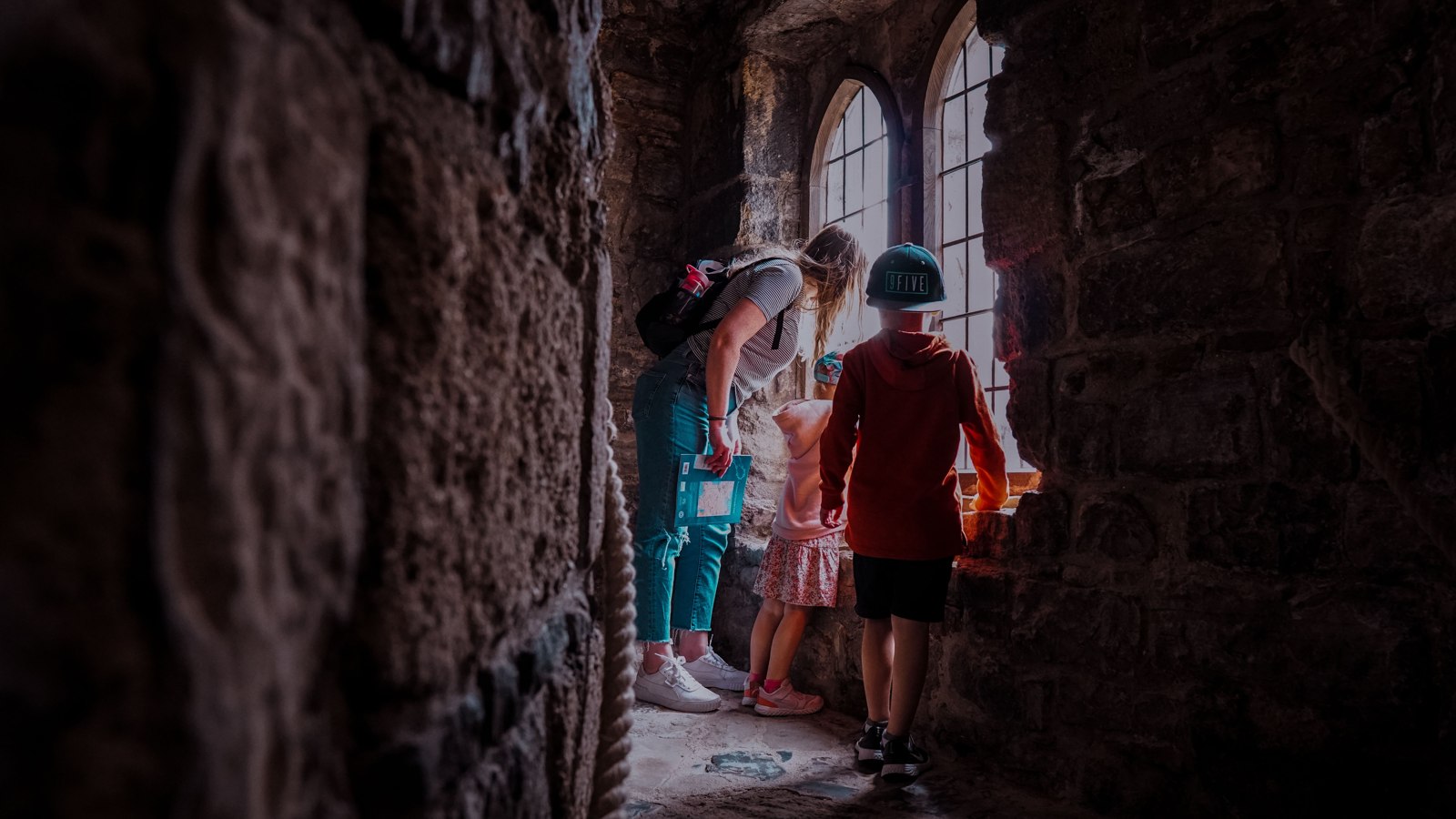
Select an activity that suits the particular group. A museum visit focused on one interesting section may work better than trying to cover the whole building. Ask children about their interests where age and circumstances allow. A family-friendly label alone says little about how long a visit will remain enjoyable.
Explain the sequence in simple, realistic steps. An exhibition, then food, then some open time is easier to understand than a long attraction list. Avoid firm promises that depend on unchecked opening hours or distant playgrounds. A modest plan can still change once you are there.
Give the main visit a recognisable focus, perhaps one object or a small section the child helped choose. Afterwards, decide whether interest remains. This differs from feeling obliged to see every room because admission has been paid. Several children need not share identical interests. A small sequence of selected highlights may be fairer than one long section enjoyed by only one person while everybody else continually waits. Keep the total duration realistic rather than adding a complete separate visit for each preference.
Put breaks within reach
Plan food, toilets and seating along the actual route. A break is only a break if reaching it does not require a substantial additional journey. For booked events, check whether leaving early or re-entering later is possible. A rigid entry procedure may work differently with small children than a spontaneous walk.
Movement need not involve another major attraction. A suitable place for a brief active interval can help between quieter sections. Assess the actual location and supervision required. A busy traffic square does not become appropriate because a map depicts open space. Rain may require another version of this part of the day.
Provide a satisfactory stopping point
Define a short version of the day that already counts as a complete outing. Anything beyond it is an optional extension. An earlier return then need not be described as failure. Nearby accommodation or a suitable connection creates more flexibility than a long unavoidable journey regardless of how everyone feels.
Explicitly divide bags and organisational tasks between adults. The person holding tickets should not automatically become responsible for every bag and spontaneous decision as well. Bring what the actual period requires without loading a brief city visit with unnecessary equipment.
In the evening, briefly discuss what was enjoyable and what lasted too long. That observation is more useful for tomorrow than rigidly following the original list. A successful weekend may consist of a few memorable experiences even when several initially noted destinations remain unvisited.